Karnak Temple Luxor: Complete Guide to Egypt’s Sacred Sanctuary
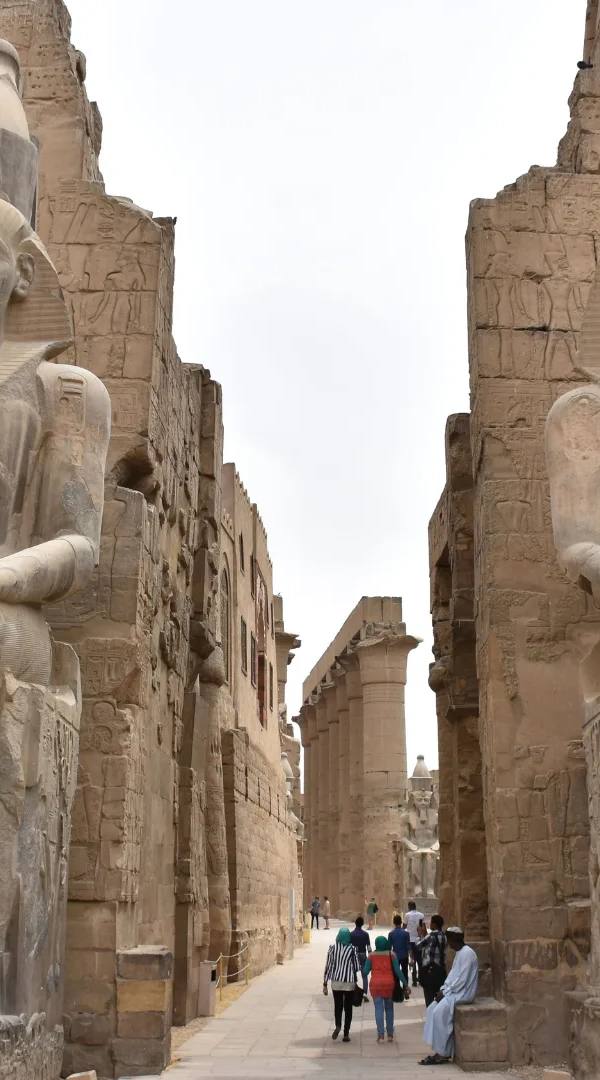
Sacred Antiquities of Luxor Karnak Temple Luxor: Complete Guide to Egypt’s Sacred Sanctuary The monumental entrance and restored Avenue of Sphinxes…
Curated by Egyptaten Team · Published October 2026 · 6 minutes read
Contents
Guide to Karnak Temple Luxor: History, Architecture & Visitor Highlights
Standing majestically on the east bank of the Nile in Luxor, the Karnak Temple Complex remains the largest religious sanctuary ever constructed in human history. Known to ancient Egyptians as Ipet-sut, meaning "The Most Select of Places," this 200-acre site served as the primary cult center for Amun-Ra during the New Kingdom. Built over 2000 years with contributions from more than 30 pharaohs, Karnak represents the absolute apex of ancient pharaonic architecture and political power. Today, this one UNESCO World Heritage site draws millions of global travelers who come to admire its monumental pylons, towering granite obelisks, and intricate hieroglyphic reliefs carved into ancient stone.
Planning an enriching excursion to Karnak Temple in Luxor requires understanding its primary architectural landmarks and scheduled annual occurrences. Dedicated to the Theban Triad, this massive complex features 134 giant columns in the Great Hypostyle Hall, the 30-meter obelisk of Queen Hatshepsut, and a 2.7 km Avenue of Sphinxes. Key annual highlights include the December 21st Winter Solstice alignment, along with nightly multilingual Sound and Light performances. For customized private tour itineraries, licensed Egyptologist guides, and luxury Nile cruise bookings, contact our local team at info@egyptaten.com.
Architectural Precincts & Key Landmarks
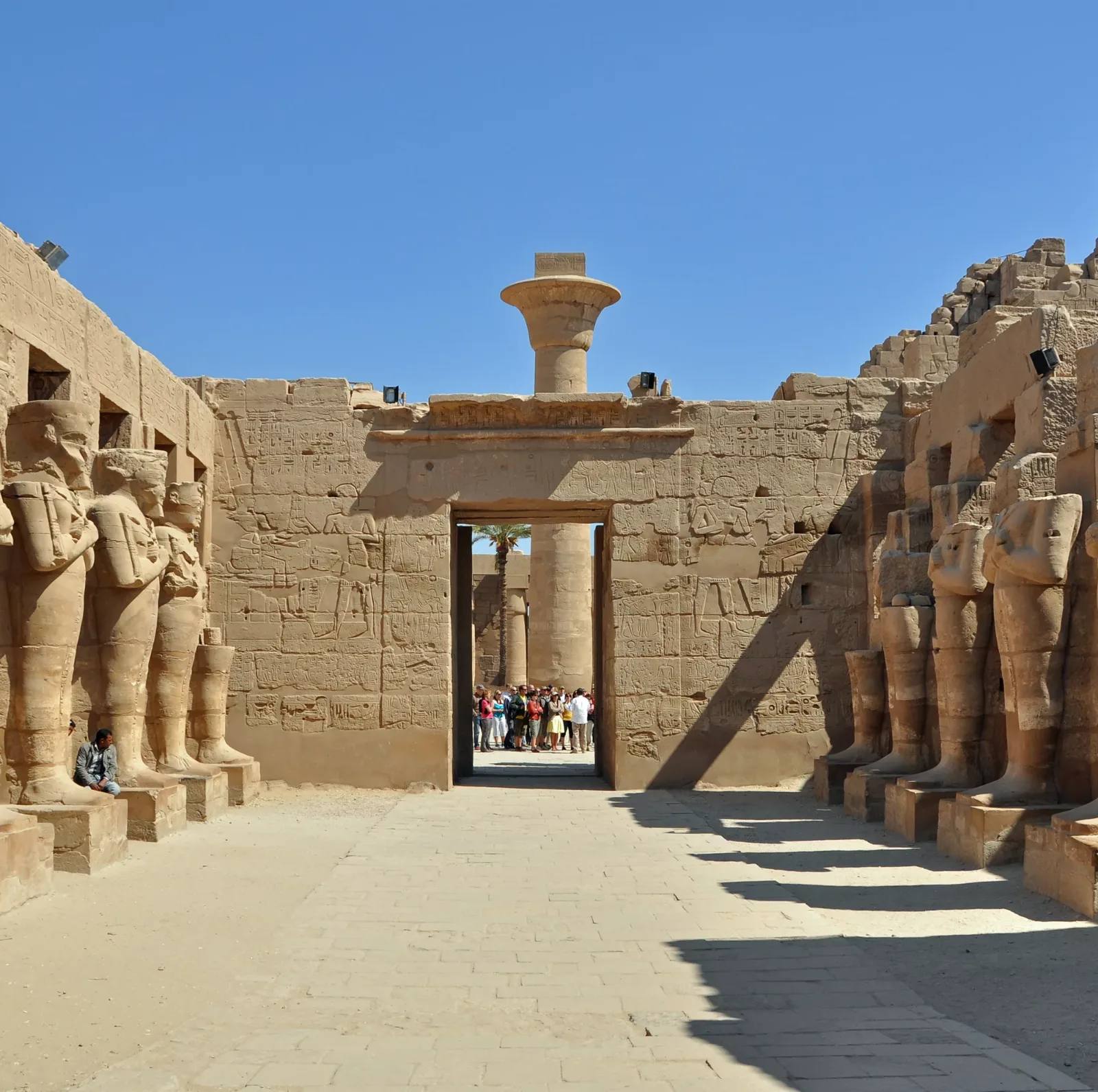
Spanning over 200 acres on the East Bank of Luxor, Karnak is divided into three major walled precincts dedicated to Amun-Ra, Mut, and Montu. The central Precinct of Amun-Ra contains legendary architectural treasures, including the Akh-menu, or Festival Hall of Thutmose III. Built around 1450 BCE, this hall features the famous "Botanical Garden" wall reliefs depicting exotic plants and animals collected during military campaigns across 3 countries. Studying these detailed relief carvings provides archaeologists with invaluable insights into ancient Egyptian botanical science and military expeditions across 3 continents.
- Great Hypostyle Hall: Features 134 colossal sandstone pillars arranged across sixteen rows, covering 16459 square meters.
- Obelisk of Queen Hatshepsut: A towering 30-meter red granite monument carved in Aswan and erected around 1457 BCE.
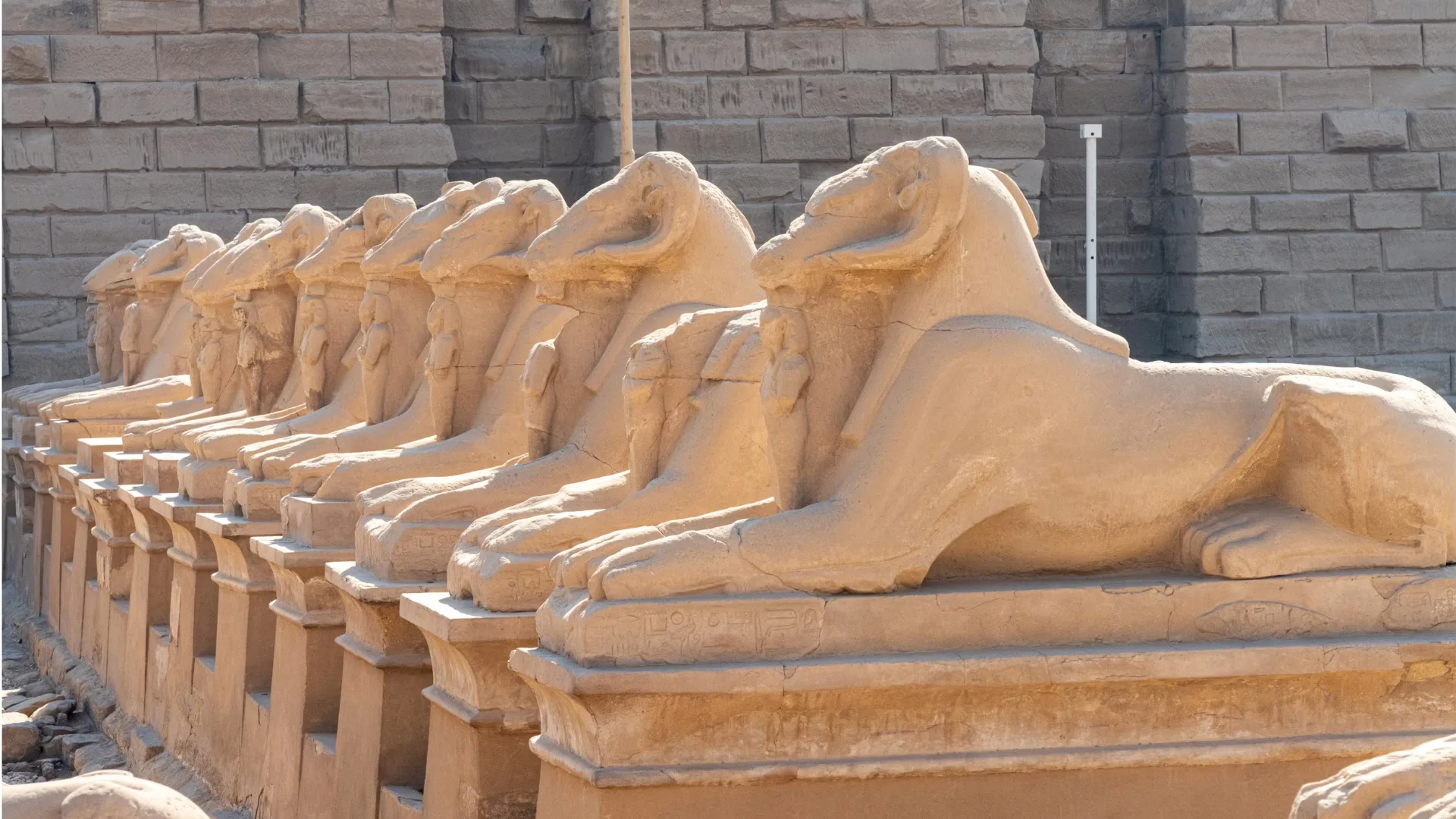
- Avenue of Sphinxes: A restored 2.7 km processional pathway lined with over one thousand ram-headed and human-headed sphinxes.
- Sacred Lake: Measures 120 meters by 77 meters, used by ancient priests for four daily ritual ablutions.
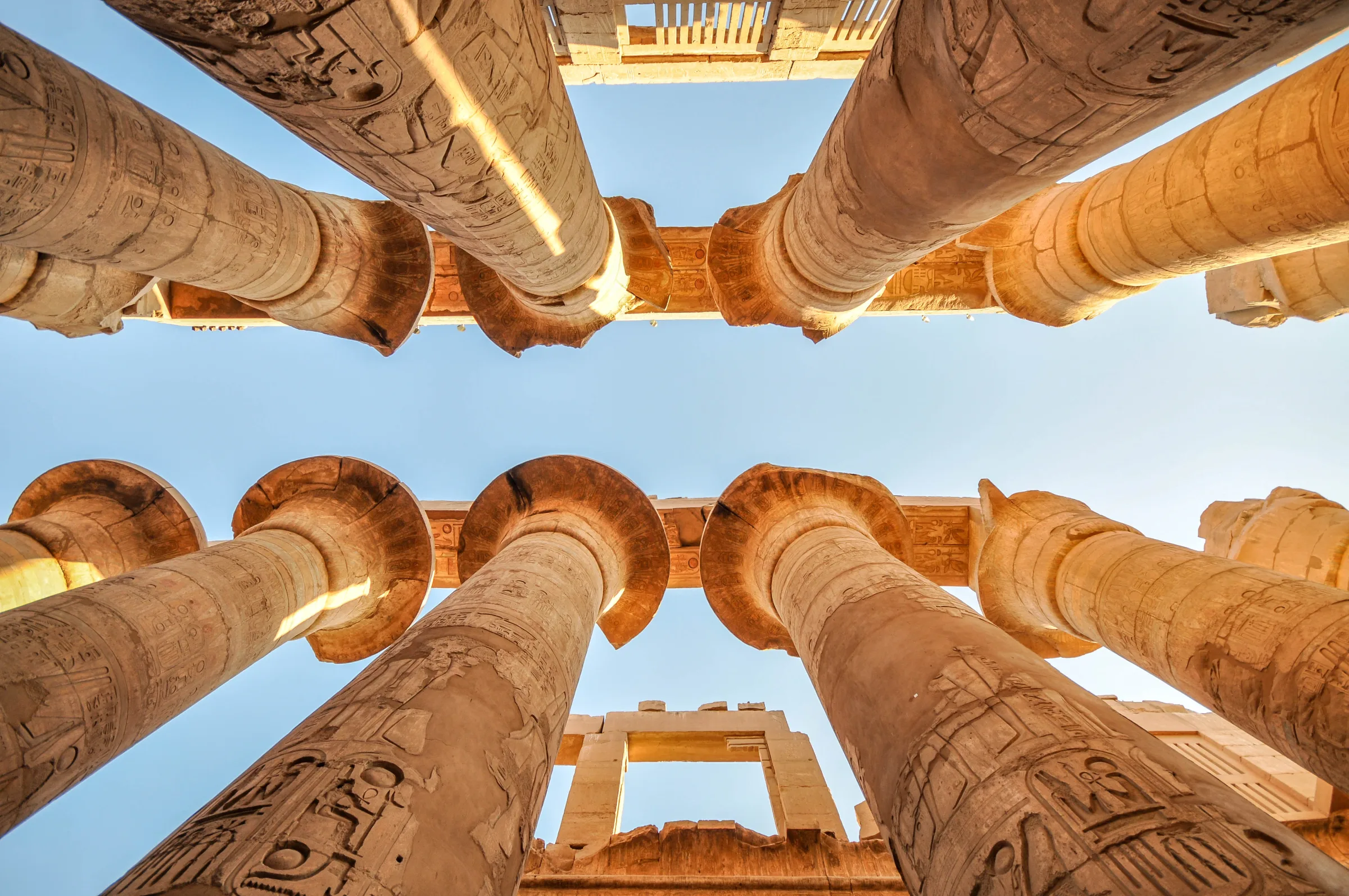
The Great Hypostyle Hall stands as an unrivaled masterpiece of ancient engineering, covering 16459 square meters with 134 colossal sandstone pillars arranged across sixteen rows. Commissioned by Seti I and finished by Ramesses II, the twelve central columns reach heights of 21 meters with open papyrus capitals. Stone clerestory lattice windows placed high above allowed precise rays of sunlight to illuminate the central aisle, creating a sacred visual effect simulating the creation of the world from primeval waters. Walking through this vast hall offers visitors an unforgettable glimpse into the architectural brilliance of Egypt's 19th Dynasty.
Deeper within the complex stands the 30-meter red granite obelisk of Queen Hatshepsut, quarried in Aswan and erected in just seven months around 1457 BCE. Nearby, the Sacred Lake measures 120 meters by 77 meters, providing clean water where ancient priests performed four daily ritual ablutions. Extending outward from the First Pylon, the restored 2.7 km Avenue of Sphinxes features over one thousand sphinx statues connecting Karnak directly to Luxor Temple. This ceremonial dromos originally hosted massive religious processions, making it one of the most significant processional avenues surviving from the ancient Mediterranean world.
Built over 2000 years by more than 30 pharaohs, Karnak Temple stands as the ultimate achievement of pharaonic architecture and devotion.
Annual Events & Occurrences at Karnak
Every year on December 21st, Karnak Temple hosts one of the most impressive astronomical events in Egypt during the Winter Solstice. At sunrise, golden light passes precisely through the eastern gateway and travels along the 400-meter main axis to illuminate the inner sanctuary of Amun-Ra. This annual phenomenon demonstrates the sophisticated solar alignment techniques utilized by pharaonic architects over 3000 years ago. Early morning visitors gather at 6 AM to watch the sun rise directly over the horizon, casting radiant beams across ancient stone sanctuaries in a breathtaking spectacle of light.
- Winter Solstice Alignment: Occurs annually on December 21st at 6 AM along the 400-meter main axis.
- Karnak Sound & Light Show: Nightly evening performances presented in over 6 languages including English and French.
- Opet Festival Celebrations: Recurring cultural processions held along the restored 2.7 km Avenue of Sphinxes.
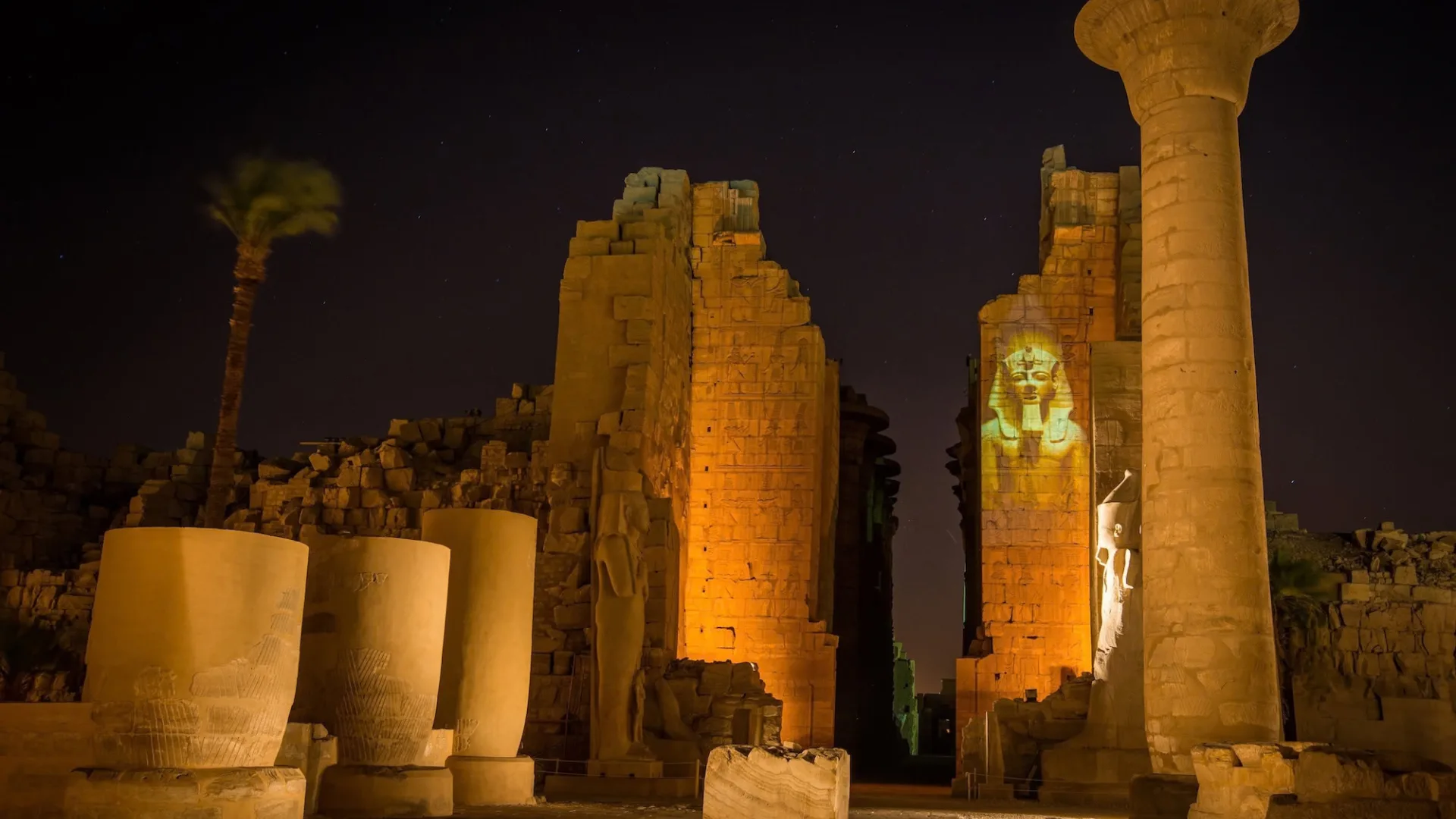
Beyond solar phenomena, Karnak comes alive every evening through the official Karnak Sound and Light Show, presented in over 6 languages including English, French, German, and Spanish. Dramatic illuminations highlight the ten main pylons, statue colossi, and central courtyards while narrated audio tells stories of ancient pharaohs. Additionally, annual cultural celebrations are held along the 2.7 km Avenue of Sphinxes, commemorating the historical traditions of the Opet Festival. These recurring events offer modern travelers unique opportunities to experience the living history and cultural legacy of Upper Egypt throughout the twelve months of the year.
Exploring the vast monuments of Karnak Temple delivers an unparalleled perspective on ancient Egyptian religion, art, and imperial history. Whether admiring the 134 columns of the Hypostyle Hall or witnessing the annual solstice alignment on December 21st, thorough preparation maximizes your travel experience. Egyptaten specializes in crafting bespoke travel itineraries tailored to your exact preferences, featuring licensed private Egyptologists, luxury Nile river cruises, and seamless transportation across Luxor. To start planning your private Egyptian journey or request comprehensive tour details, contact our travel specialists today at info@egyptaten.com.
Visiting guidance
Best time to visit
October – April, early morning around 6 AM
Private access options
Standard visiting hours apply
Crowd level
Busy by 9 AM, serene at early morning opening
Location coordinates
25.7188° N, 32.6573° E
Questions we are asked
Frequently Asked Questions
Karnak Temple was not built by a single ruler, but was constructed and expanded over 2000 years by more than 30 pharaohs. Construction began during the Middle Kingdom under Senusret I around 1971 BCE and continued through the New Kingdom, Ptolemaic, and Roman eras. Prominent royal contributors include Queen Hatshepsut, Thutmose III, Amenhotep III, Seti I, and Ramesses II, each adding monumental pylons, sanctuary halls, or giant granite obelisks. Because successive Egyptian rulers sought to honor the gods and outdo their predecessors, Karnak evolved into an extraordinary showcase of pharaonic architecture across two millennia along the East Bank of Luxor.
Visiting Karnak Temple requires at least two to three hours to explore its primary architectural highlights without rushing. Because the complex spans over 200 acres on the East Bank of Luxor, walking between major landmarks like the Great Hypostyle Hall, the 30-meter Obelisk of Queen Hatshepsut, and the Sacred Lake takes considerable time. If you plan to examine detailed hieroglyphic reliefs, take photographs, and walk along the 2.7 km Avenue of Sphinxes, allocating three hours ensures a thorough, unhurried experience. Working with a licensed Egyptologist guide helps maximize your time by highlighting key royal cartouches and historical structures efficiently.
Karnak Temple and Luxor Temple are connected by the ancient Avenue of Sphinxes, a grand processional dromos stretching 2.7 km along the East Bank of Luxor. Originally constructed to host major religious celebrations, most notably the annual Opet Festival, this ceremonial avenue features over one thousand stone sphinxes lining both sides of the path. Following an extensive multi-year restoration, visitors can now walk the entire 2.7 km pathway between both monumental temple complexes, retracing the sacred route taken by ancient priests carrying the ceremonial barques of Amun-Ra, Mut, and Khonsu.
The Winter Solstice event at Karnak Temple is an annual astronomical occurrence taking place every year on December 21st. At sunrise around 6 AM, golden solar light passes precisely through the eastern gateway and illuminates the innermost sanctuary of Amun-Ra along the 400-meter main temple axis. This extraordinary solar alignment highlights the profound astronomical precision engineered by ancient Egyptian architects over 3000 years ago. Travelers gather early in the morning on December 21st to witness golden morning rays penetrate deep into the stone halls, marking the shortest day of the year in Upper Egypt.
Private by design