Luxor Temple: Ancient Sanctuary of Royal Power, Ritual, and Renewal
Explore Luxor Temple, ancient Thebes' sacred realm of divine kingship. Discover soaring colonnades, colossal statues of Ramses II, and the site of the legendary Opet Festival along the Nile.
Curated by Not filled in yet · Published September 2026 · 6 minutes read
Contents
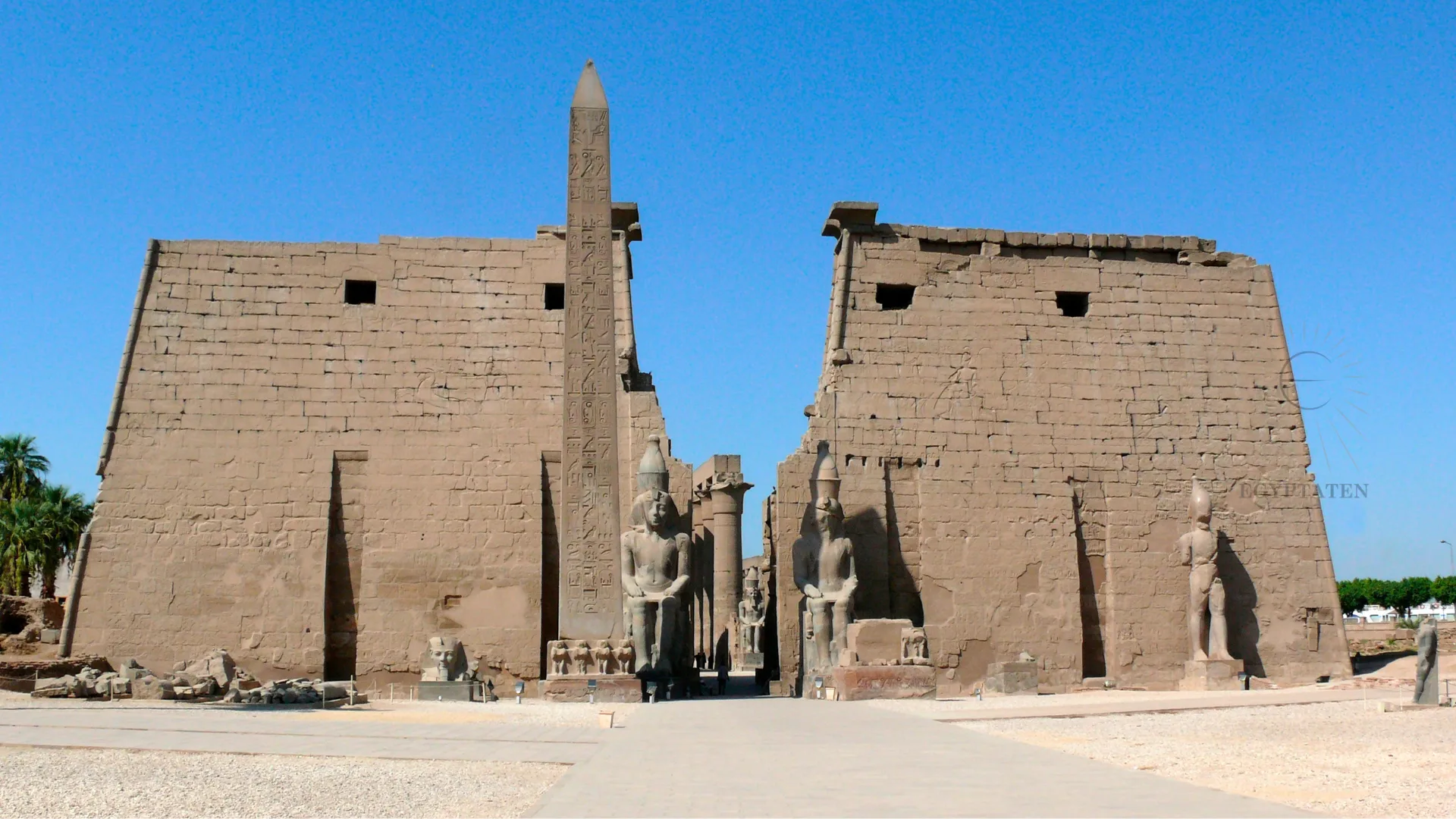
Founded around 1400 BCE in ancient Thebes, Luxor Temple—known historically as Ipet-resyt, or "The Southern Sanctuary"—stands as an enduring center of pharaonic tradition and royal legitimacy in Upper Egypt. Initiated under Amenhotep III, completed by Tutankhamun and Horemheb, and later expanded by Ramesses II, the complex was dedicated to the Theban Triad of Amun, Mut, and Khonsu. Distinct from funerary monuments, the sanctuary primarily served as the setting for the annual Opet Festival, a sacred ritual centered on the renewal of divine kingship. Joined to Karnak Temple by the 2.7-kilometer Avenue of Sphinxes, the complex evolved across millennia, hosting modifications by Alexander the Great, a Roman military garrison, early Christian sanctuaries, and the active Abu Haggag Mosque. In 1979, the site was inscribed as part of the UNESCO World Heritage Site of Ancient Thebes.
Summary
- Luxor Temple was built around 1400 BCE in Thebes and dedicated to royal renewal and divine kingship.
- Constructed by Amenhotep III and expanded by Ramesses II, it reflects multiple historical layers.
- Key features include the First Pylon, Great Colonnade, courts, sanctuaries, and Abu Haggag Mosque.
- It was central to the Opet Festival, linking it to Karnak via the Avenue of Sphinxes.
- The temple shows continuous use from ancient Egypt through Roman, Christian, and Islamic periods.
What Is the Glorious Luxor Temple?
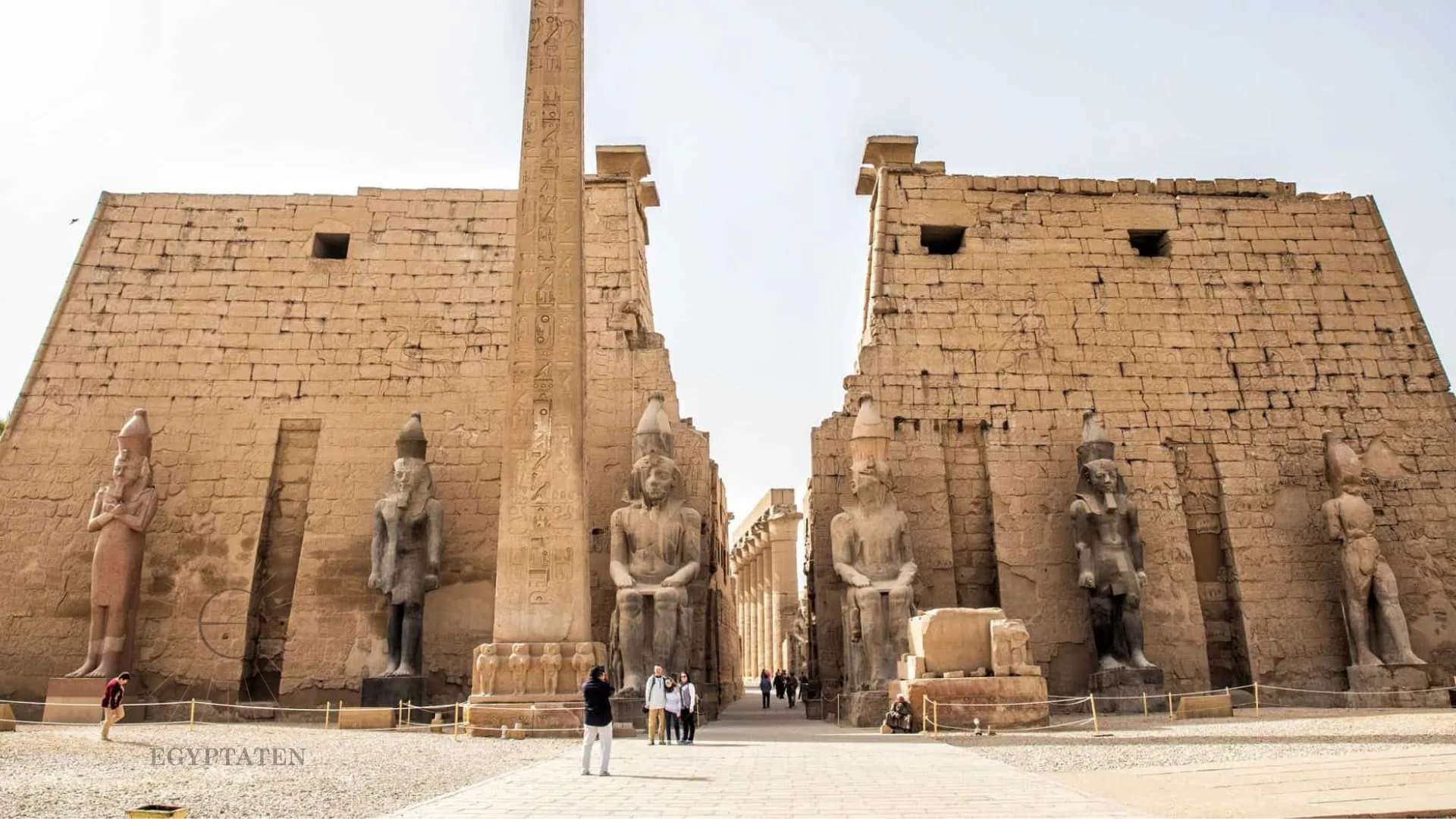
Luxor Temple stands as one of the most significant religious and ceremonial monuments of ancient Egypt, commanding the heart of modern Luxor along the east bank of the Nile River. Commissioned primarily during the New Kingdom around 1400 BCE under Amenhotep III and later expanded by Ramesses II, the complex was known in antiquity as Ipet-resyt, translating to "The Southern Sanctuary." Unlike traditional temples configured solely for the veneration of a primary deity, Luxor Temple was spiritually crafted for the ritual renewal of divine kingship, affirming the sacred bond between the reigning pharaoh and the royal ka. As a crown jewel of ancient Thebes, the sanctuary served as the ultimate destination for the annual Opet Festival, where the sacred barques of the Theban Triad—Amun-Ra, Mut, and Khonsu—were borne in processional splendor from Karnak Temple along the 2.7-kilometer Avenue of Sphinxes. Demonstrating nearly three and a half millennia of unbroken spiritual continuity, the site incorporates Roman imperial chapels, early Christian frescoes, and the active Mosque of Abu Haggag, earning its place within the UNESCO World Heritage Site of Ancient Thebes with its Necropolis.
Private by design