Cairo
The Great Pyramid of Giza: Ancient Egypt's Architectural Masterpiece
Explore the history, construction, and enduring legacy of the Great Pyramid of Giza, ancient Egypt's supreme architectural masterpiece.
Curated by Egyptaten Team · Published August 2026 · 6 minutes read
Contents
- Discover History of the Great Pyramid of Khufu
- The Heritage of King Khufu: History and Legacy of the Great Pyramid
- The Construction of the Great Pyramid of Giza
- The Interior of the Great Giza Pyramid
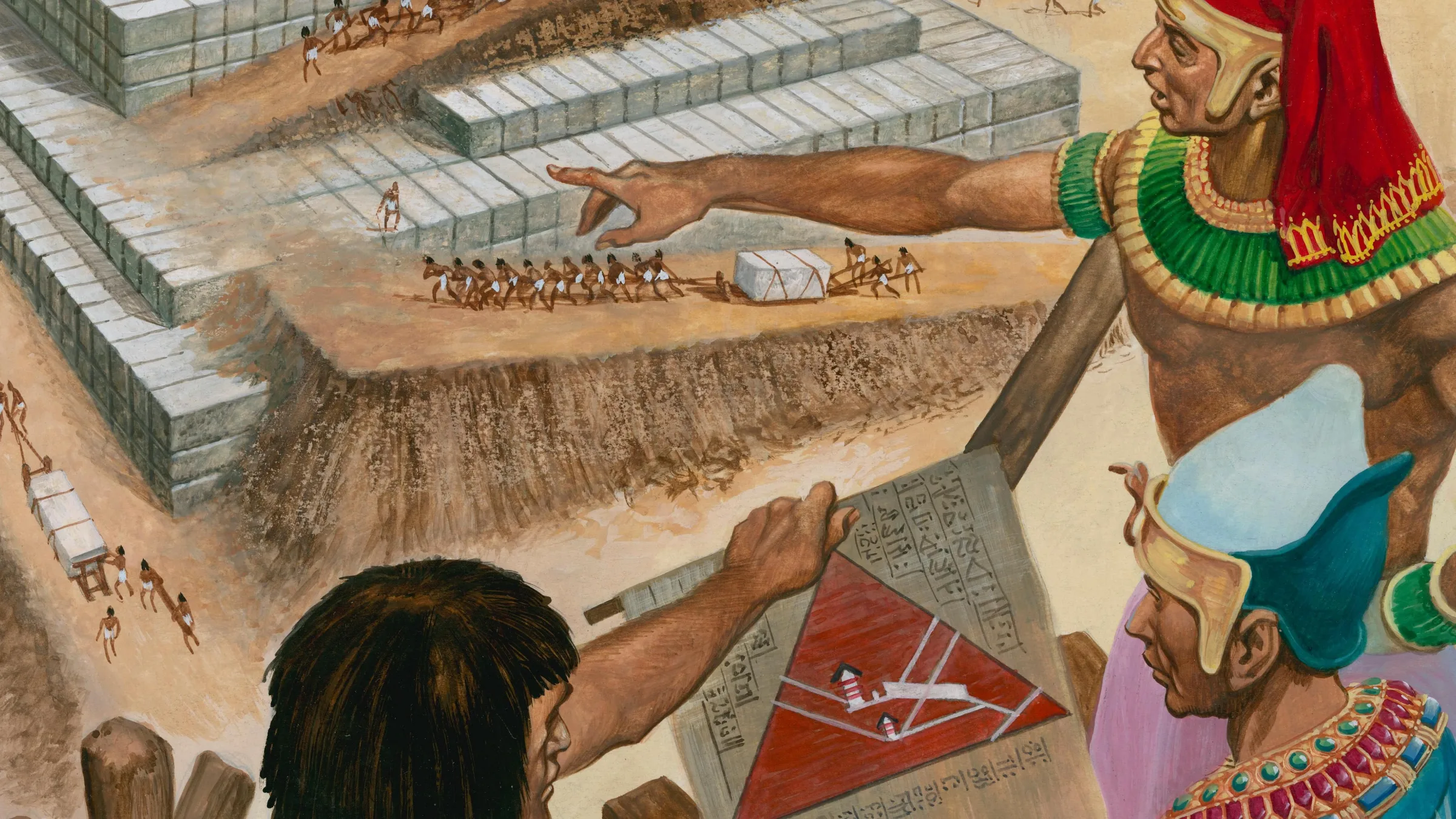
- How the Great Pyramid Was Built
- Interesting Facts About the Great Pyramid of Giza
- The Purpose of The Giza Pyramids Complex
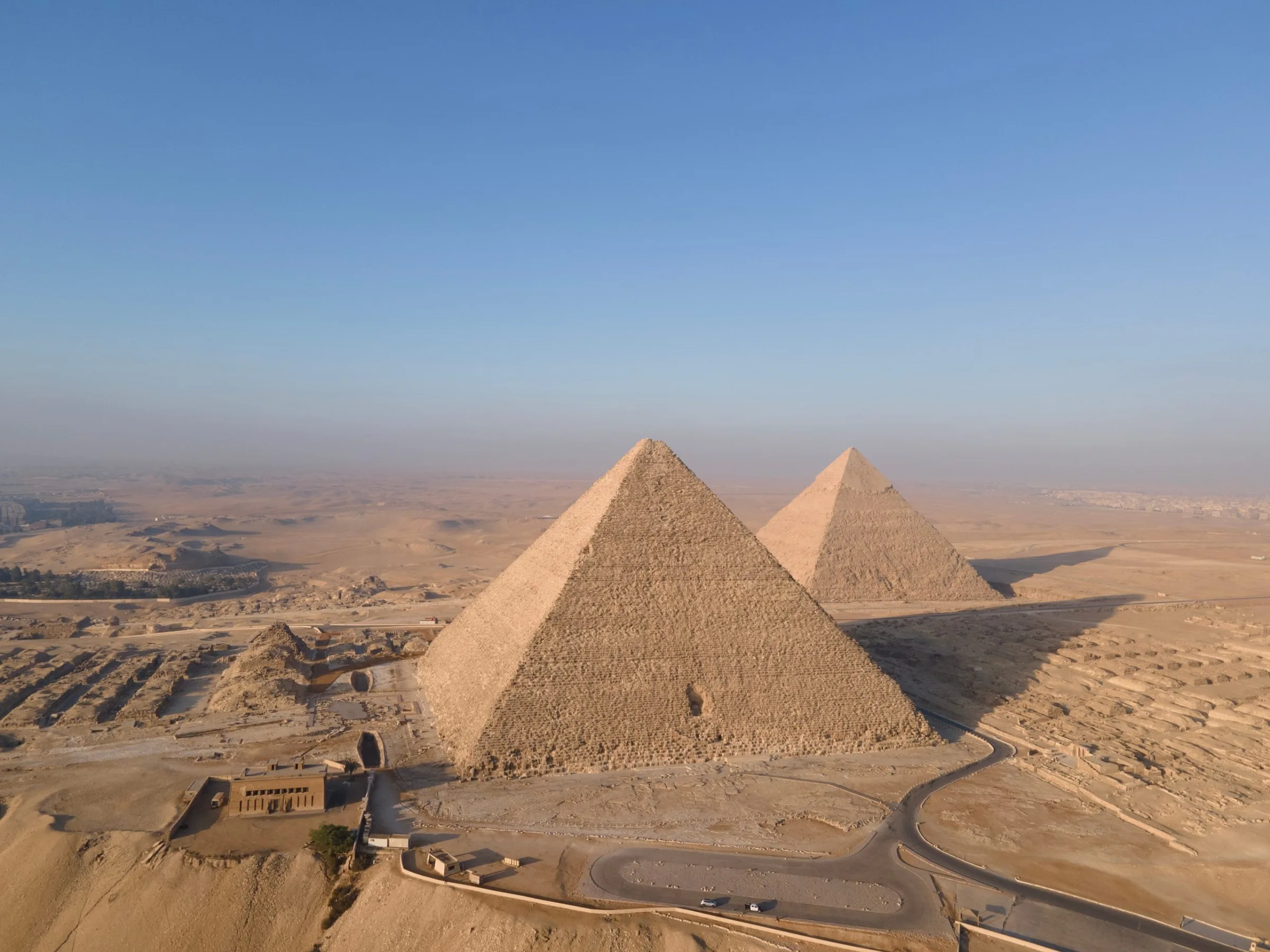
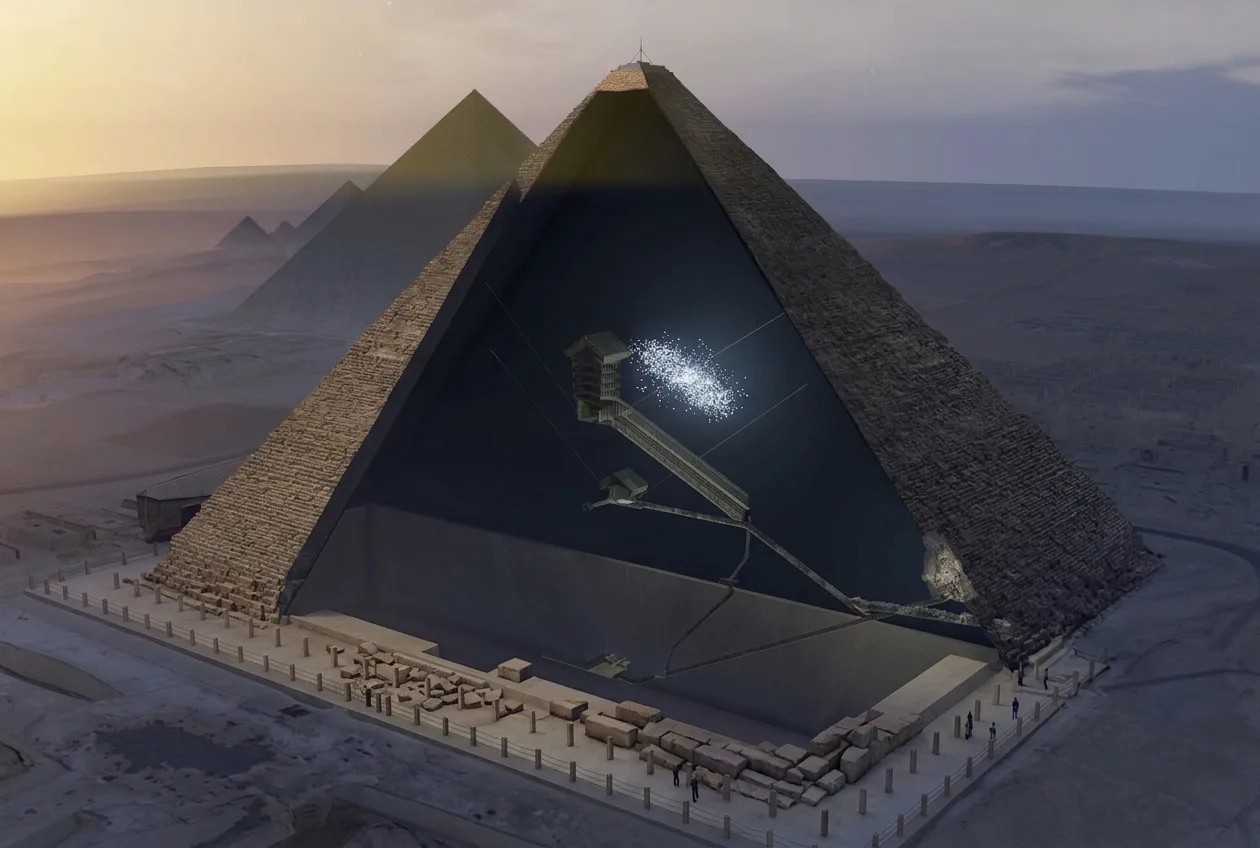
The Great Pyramid of Giza, Constructed over four and a half millennia ago during the Fourth Dynasty, the Great Pyramid of Giza—also known as the Pyramid of Cheops—stands as an extraordinary triumph of ancient Egyptian engineering, commissioned by Pharaoh Khufu as his eternal resting place. Built from roughly 2.3 million meticulously quarried limestone blocks utilizing advanced astronomical alignments, ramps, and sledges, this monumental structure reflects the pinnacle of Old Kingdom innovation. Rooted in the rich cultural and religious context of the era, the site served as a symbolic replica of the primeval mound of creation, aligning human ambition with divine order. Anchoring a sacred landscape alongside the broader Memphis necropolis, the monument and its surrounding area were proudly designated a UNESCO World Heritage Site in 1979. Within its massive stone core lies an intricate internal network, featuring three primary chambers, mysterious ascending and descending passages, narrow air shafts, and an enigmatic unfinished subterranean room that continues to challenge traditional archaeological perspectives. As the sole surviving member of the Seven Wonders of the Ancient World, the Great Pyramid has fascinated scholars, historians, and travelers for millennia, seamlessly blending art, science, and profound spirituality. Its rich historical documentation spans vital accounts by ancient Greek and Roman figures such as Herodotus, Diodorus Siculus, Strabo, and Pliny the Elder, who sought to understand its majestic scale and construction methods. This legacy continued through medieval Islamic scholars and polymaths like Al-Maqrizi and Abd al-Latif al-Baghdadi, alongside monumental milestones of exploration such as the historic 820 CE tunneling expedition by Abbasid Caliph Al-Ma'mun and Napoleon Bonaparte's entry during his 1798 campaign. Today, bridging cutting-edge modern archaeological discoveries—including advanced thermal void detections—with an enduring historical narrative, the Great Pyramid remains an eternal symbol of human brilliance and dedication, captivating global audiences to this day.
Discover History of the Great Pyramid of Khufu
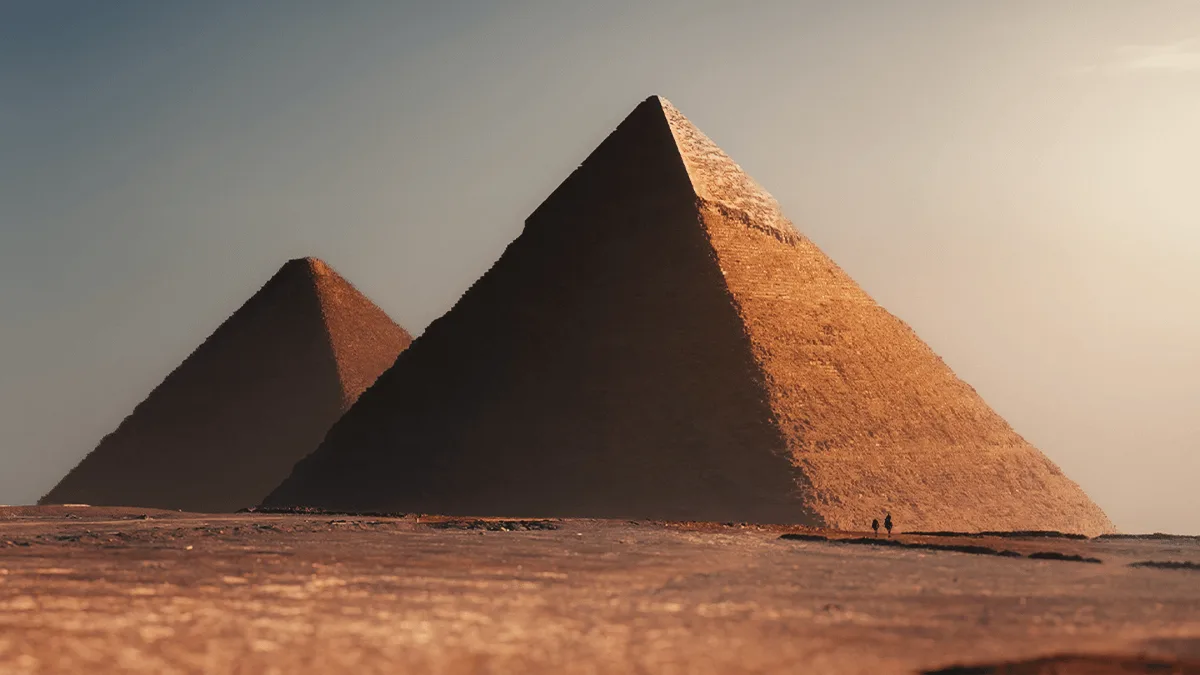
The Pyramid Constructed around 2560 BCE during the Old Kingdom (2686–2181 BCE) by Pharaoh Khufu of the Fourth Dynasty, the Great Pyramid—also known as the Pyramid of "Cheops" by the Greeks—served as his royal resting place and marked the first of the three major pyramids built during this era, leveraging fourth-dynasty governmental stability, trade wealth, and a large population following precedents set by Khufu's father, Sneferu. Khufu selected Giza for his necropolis due to the lack of competing nearby monuments and the burial location of his mother, Queen Hetepheres I (2566 BCE), placing the monument within the famous Giza pyramid complex on the bank of the Nile River at the exact intersection of the longest line of latitude and longitude with coordinates of 29°58′45″N 31°08′03″E (while the Great Sphinx is located south of the Great Pyramid, near Khafre’s valley temple). Consequently, the ancient ruins spanning the Memphis area, including Giza, Ṣaqqārah, Dahshūr, Abū Ruwaysh, and Abū Ṣīr, were designated a UNESCO World Heritage Site in 1979, with modern chronological dating and radiocarbon analysis placing the history of Khufu and the Great Pyramid roughly between 2700 and 2500 BCE. For millennia, the monument has attracted documentation from global scholars and historians—beginning in the 5th century BCE with Herodotus, followed by Diodorus Siculus between 60 and 56 BCE, an unnamed Greek geographer, historian, and philosopher in 25 BCE, the Roman writer Pliny the Elder during the first century AD, and various Greek and Coptic-era scholars—before the Abbasid Caliph Al-Ma'mun (786–833) reportedly tunneled into the structure in 820 CE, polymaths like Abd al-Latif al-Baghdadi (1163–1231) and Al-Maqrizi (1364–1442) studied it extensively, and Napoleon Bonaparte and his French troops entered the Great Pyramid following the Battle of the Pyramids on July 21, 1798.
The Heritage of King Khufu: History and Legacy of the Great Pyramid
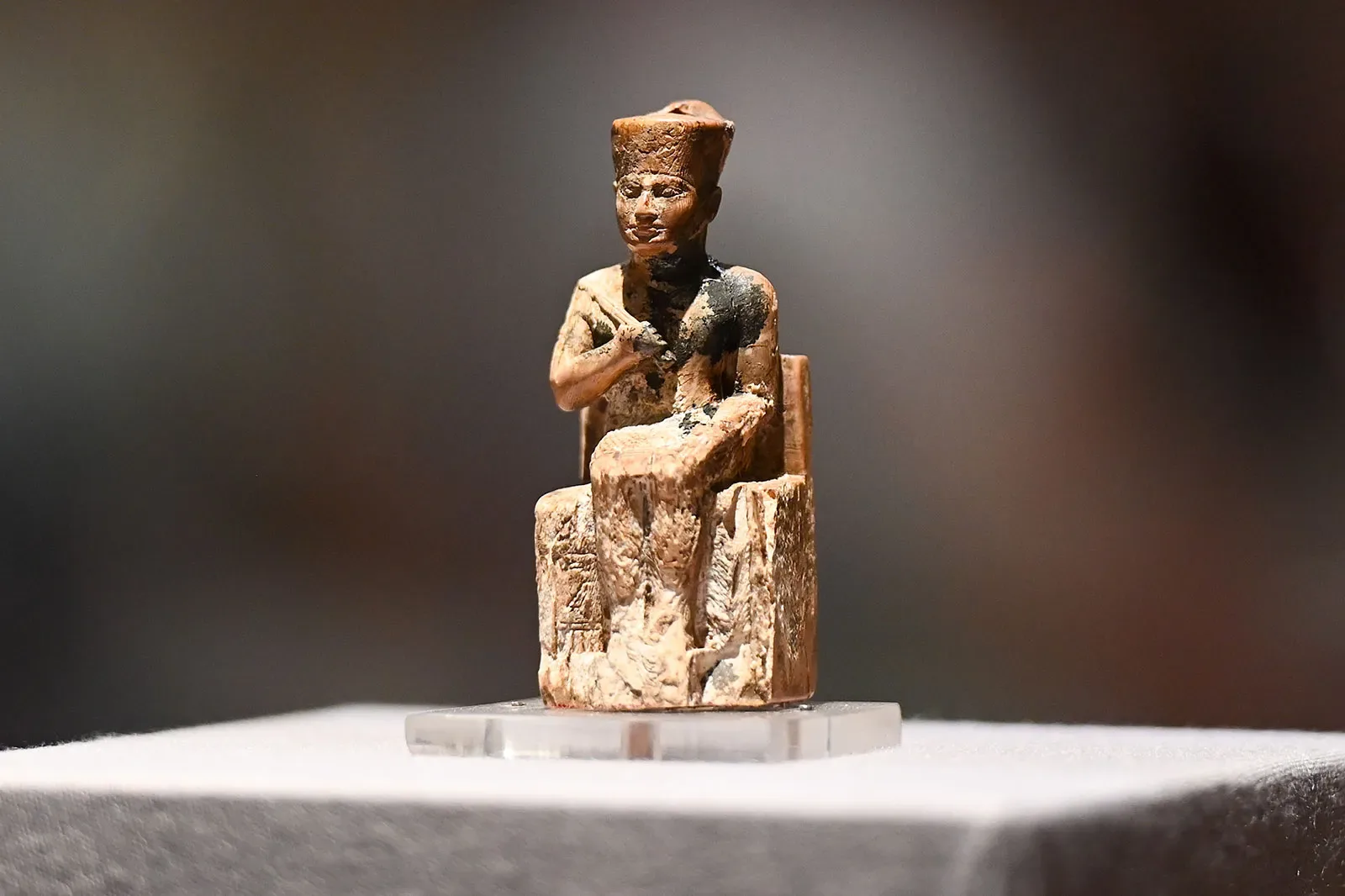
King Khufu (2589–2566 BCE), the second Pharaoh of the Fourth Dynasty during Egypt's Old Kingdom, remains one of history's most renowned ancient rulers. Originally named Khnum-Khufu, he succeeded his father, Pharaoh Sneferu, and was crowned in the 26th century BCE. While ancient Egyptian and Greek historians estimated his reign to span 50 to 63 years, modern scholars suggest a reign of 23 to 46 years. Khufu's eternal fame is cemented by his crowning achievement: the Great Pyramid of Giza. Despite his monumental architectural legacy, remarkably few artifacts of the pharaoh survive today. The only fully preserved statue of Khufu is a rare, three-inch-high ivory figurine discovered in Abydos in 1903, which is now housed in the Grand Egyptian Museum. Furthermore, the mummified body of King Khufu—also known as Cheops—has never been recovered, having been stolen from the Great Pyramid in antiquity.
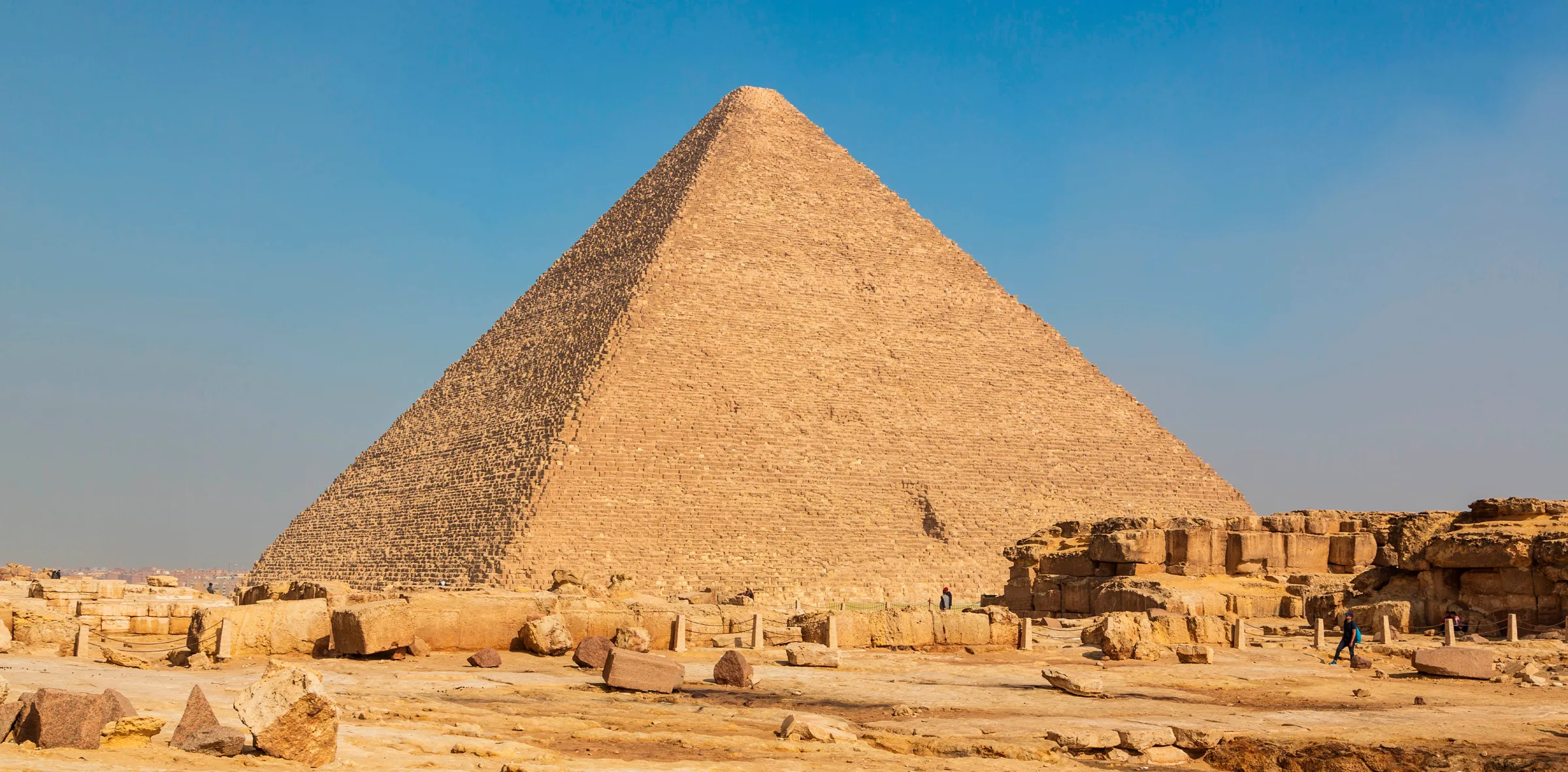
Constructed around 2560 BCE during the Fourth Dynasty, the Great Pyramid stands as an extraordinary triumph of ancient Egyptian engineering, serving as Pharaoh Khufu's eternal resting place.
The Construction of the Great Pyramid of Giza
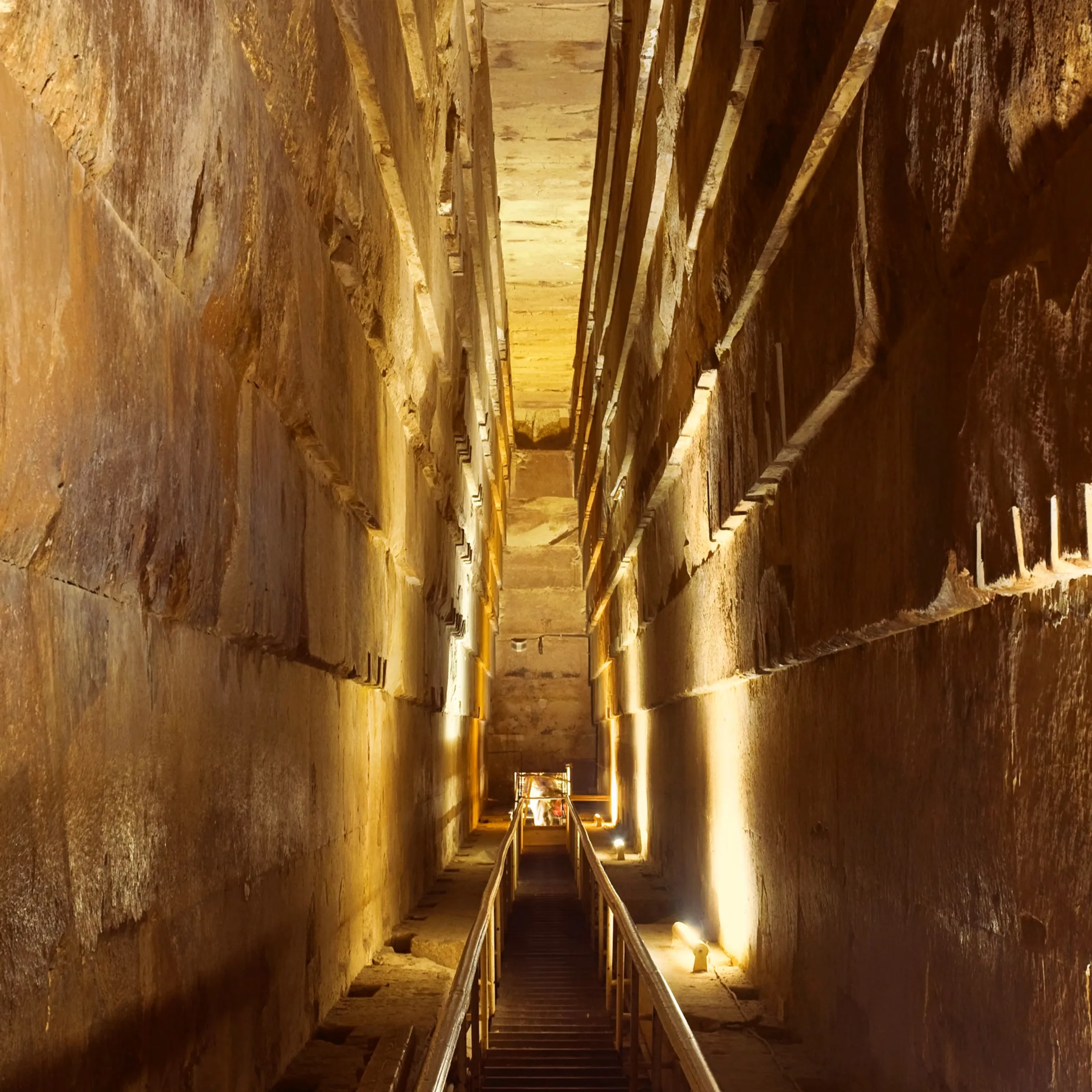
The Interior of the Great Giza Pyramid
How the Great Pyramid Was Built
Interesting Facts About the Great Pyramid of Giza
- Wonder Status: The Great Pyramid of Giza (also known as the Pyramid of Khufu or Pyramid of Cheops) is the oldest of the Seven Wonders of the Ancient World and the only one to remain entirely intact.
- Ancient Name: It was originally known by the ancient name "Akhet Khufu," which translates to Khufu's Horizon.
- Royal Tomb: It was constructed as a monumental tomb for the Pharaoh Khufu of the Fourth Dynasty during the 26th century BCE.
- Height Record: It held the title of the tallest man-made structure on Earth for over 3,800 years, until the construction of Lincoln Cathedral in England in 1311 CE, followed later by the Eiffel Tower in 1889 CE.
- Construction & Timeline: Built over a period of 15 to 20 years under the direction of Khufu’s vizier, Heminu, utilizing 2.3 million blocks of limestone (averaging 2.5 tons each), along with mortar and granite, resulting in a staggering total mass of 5.9 million tons.
- Dimensions & Scale: It originally stood at 146.6 meters (481 feet / 280 cubits) tall, measuring 138.5 meters (454 feet) contemporary, built upon a base 230.3 meters (756 feet) long.
- Total Volume: The overall volume of the Khufu pyramid spans approximately 2.6 million cubic meters (92 million cubic feet).
- Orientation & Geometry: The sides rise at a precise angle of 51°50'40" and are meticulously oriented to face the four cardinal points of the compass.
- Internal Layout: The interior houses three known chambers alongside the massive Grand Void.
- Engineering Legacy: These numbers and structural feats stand as a true living miracle of pure architectural genius, precise skill, and an unforgettable sight alongside the other pyramids of Giza.
The Purpose of The Giza Pyramids Complex
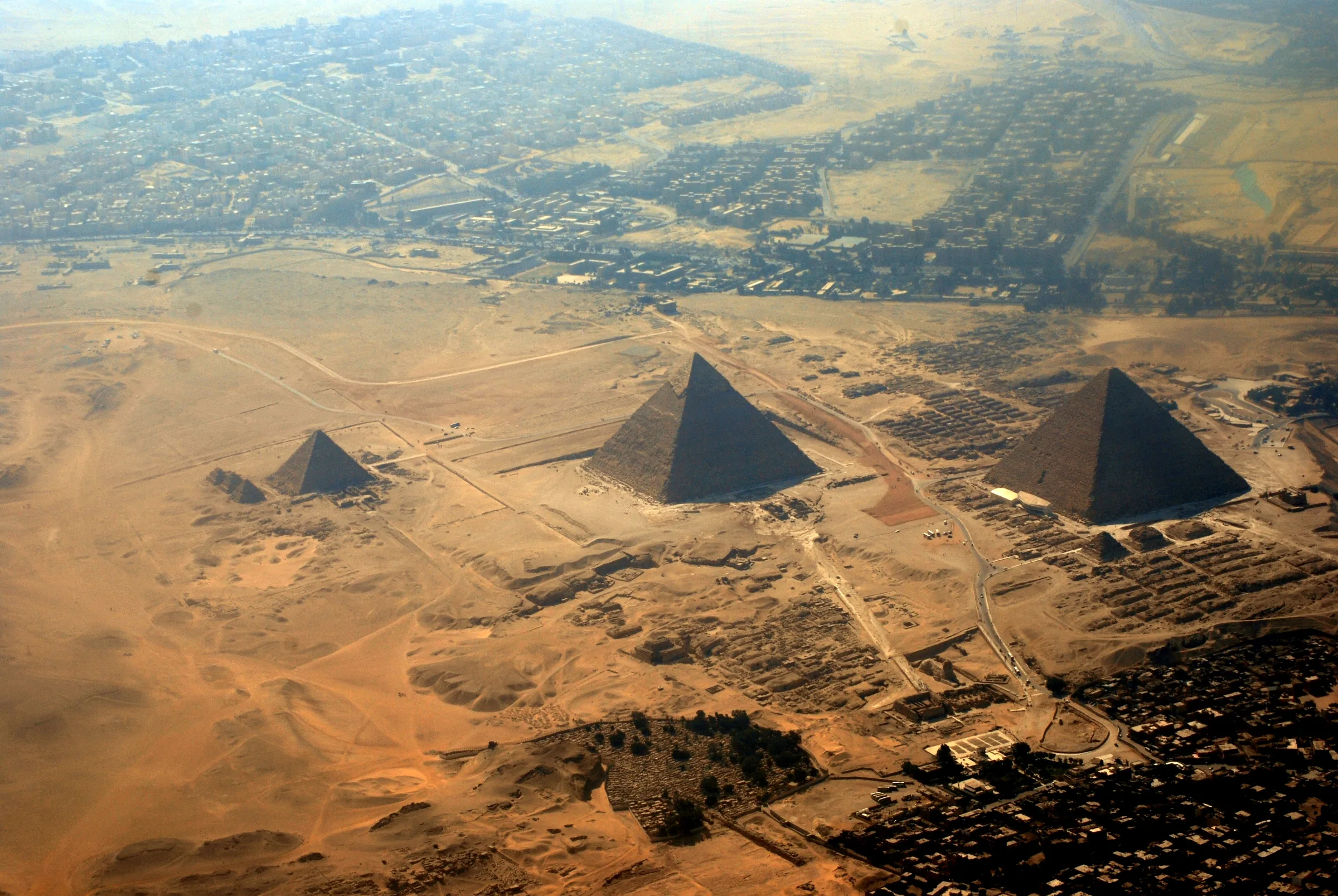
The Giza Pyramids Complex was created as a royal funerary landscape rooted in the religious, political, and cosmological beliefs of ancient Egypt, serving the primary purpose of securing the eternal life of pharaohs Khufu, Khafre, and Menkaure by protecting their mummified bodies and identities. Beyond functioning as monumental tombs, the complex incorporated mortuary temples, valley temples, causeways, and satellite pyramids designed to sustain the pharaoh’s spirit, or "ka," through essential ritual practices. The structures themselves carried profound symbolic meaning by representing the primordial mound of creation and the rays of the sun, which linked the deceased king directly to the sun god Ra and supported his divine ascent to the heavens.
Furthermore, the precise alignment of the monuments with the cardinal directions and potential stellar arrangements reflected the ancient desire to anchor royal burial within the eternal cosmic order. Simultaneously, the immense scale and architectural precision of the site expressed the pharaoh’s absolute authority, reinforcing political power and national unity across the kingdom. Ultimately, the Giza Pyramids Complex operated as a multifaceted spiritual and political statement that successfully orchestrated the king's transformation into a god-like entity while showcasing the extraordinary sophistication of ancient Egyptian civilization.
Visiting guidance
Best time to visit
October – April, early morning
Private access options
After-hours entry by permit
Crowd level
Busy by 9am, serene at dawn
Location coordinates
29.9792° N, 31.1342° E
Private by design
Desire a private, after-hours audience with Cairo?
Craft your custom itineraryExplore more insider guides
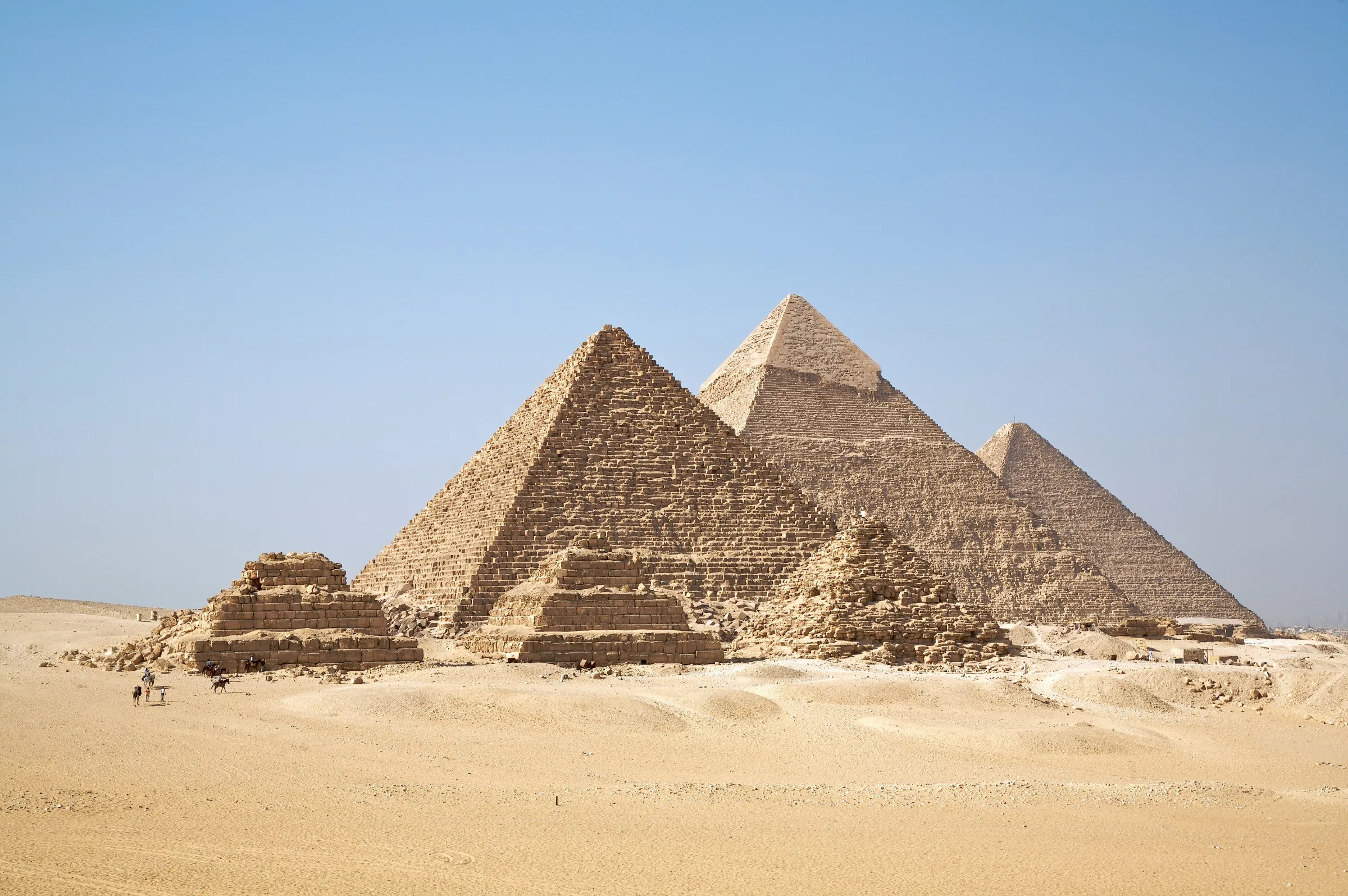
Giza Pyramids Complex: Complete History, Architecture & Facts
Explore the monumental history, brilliant construction, and layout of the Giza Pyramids Complex. Discover the enduring architectural marvels of the Giza Plateau with Egyptaten.
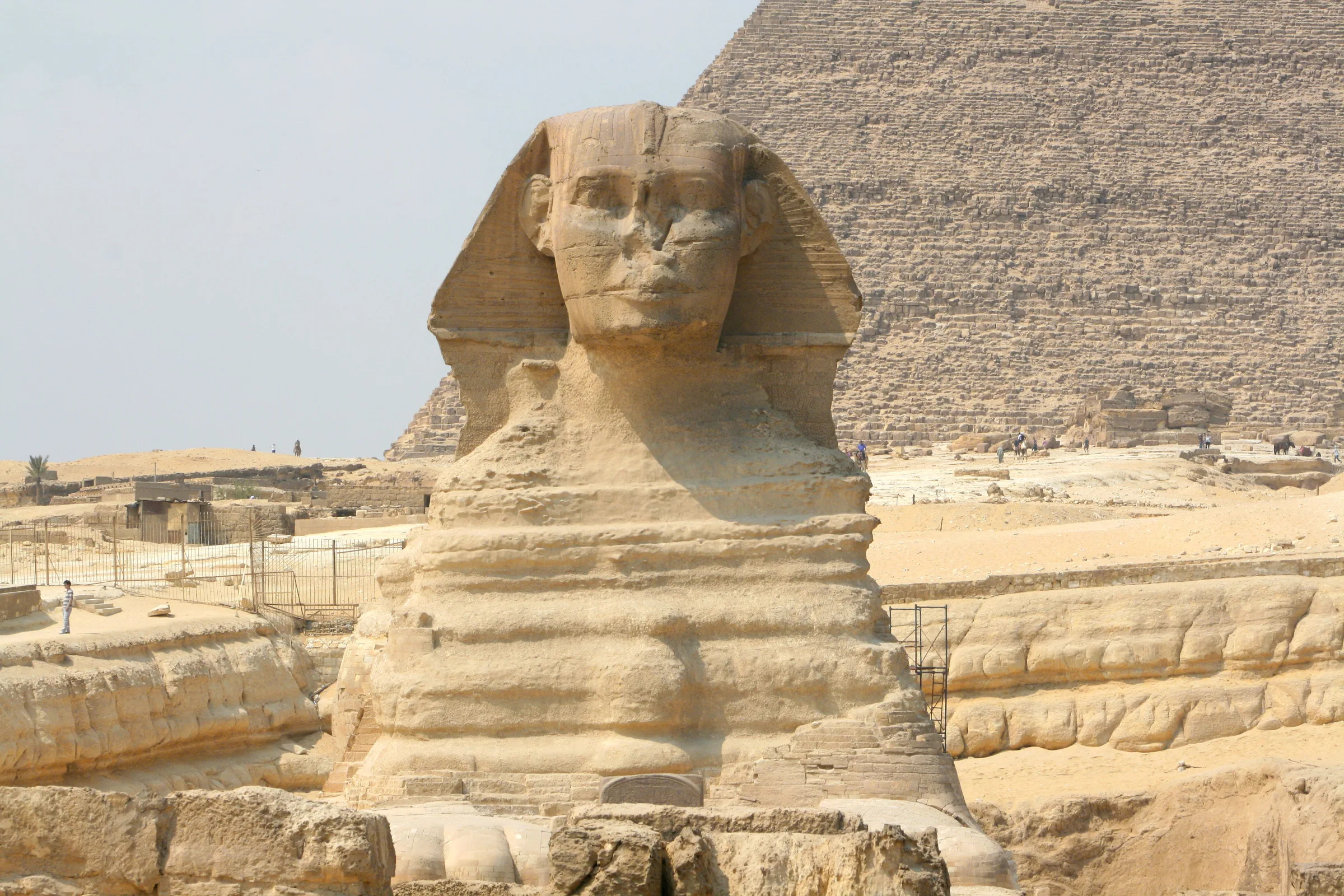
The Great Sphinx of Giza: History, Secrets & Mysteries
Discover the secrets of the Great Sphinx of Giza, exploring its ancient history, mysterious origins, and enduring myths on Egypt's iconic plateau.