Cairo
Giza Pyramids Complex: Complete History, Architecture & Facts
Explore the monumental history, brilliant construction, and layout of the Giza Pyramids Complex. Discover the enduring architectural marvels of the Giza Plateau with Egyptaten.
Curated by Egyptaten Team · Published August 2026 · 6 minutes read
Contents
- Location of the Giza Pyramids Complex
- The Layout of The Giza Pyramids Complex
- The Ethereal Astronomy of the Giza Pyramids Complex
- The Genius Construction of The Giza Pyramids Plateau
- Construction, Logistics, and Engineering of the Giza Pyramids
- Site Selection and Foundation Preparation
- Quarrying and Building Materials
- Transporting the Stone Blocks
- Theories of Raising the Stones
- Tools and Stone Working Techniques
- Precision and Exterior Finishing
- Time, Labor, and Workforce Estimates
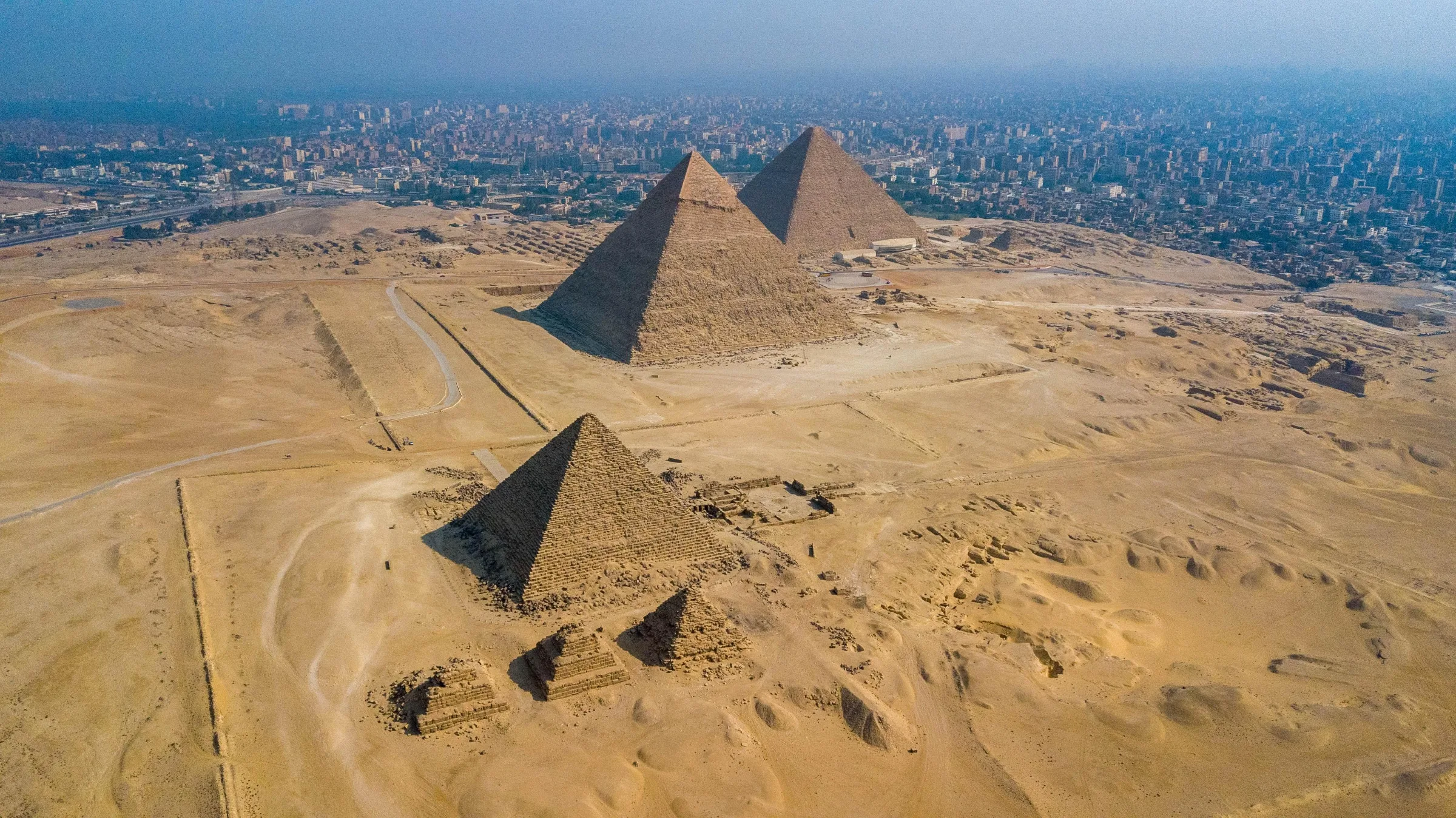
The Giza Pyramids Complex, a.k.a the Giza Plateau, is a symbol that sheds some light on the ultimate level of human innovation and unbreakable will. This article's main purpose is to offer everyone all the information and facts about the great Giza pyramids complex. This article was written by a group of very knowledgeable, professional, and skilled individuals of tour operators, tour guides, and travel consultants who have decades of experience. No monument on earth can reflect the true definition of the word glory more than the majestic Giza Plateau. The ancient Pharaohs preserved the pyramids as a magical ladder leading to the heavens to take their rightful place next to the gods.
The complex became a true symbol of ancient Egyptian civilization, showcasing all the elements that made this land the source of innovation in every aspect of human life. The Giza necropolis is known to be a heavenly royal burial ground for the kings of ancient Egypt. The Giza Necropolis holds the three great pyramid complexes of Giza, the Sphinx, the noble workers' village, which contains several small industrial complexes, and several cemeteries. Also within the complex are smaller “queen pyramids”, the village pyramids, and many causeways.
The complex contains the last remaining monument of the seven wonders of the ancient world, the Great Pyramid of Khufu, next to two other pyramids, each impressive in its unique manner and representing the level of political and economic stability, plus unimaginable knowledge and skill in the art of construction and architecture.
Location of the Giza Pyramids Complex
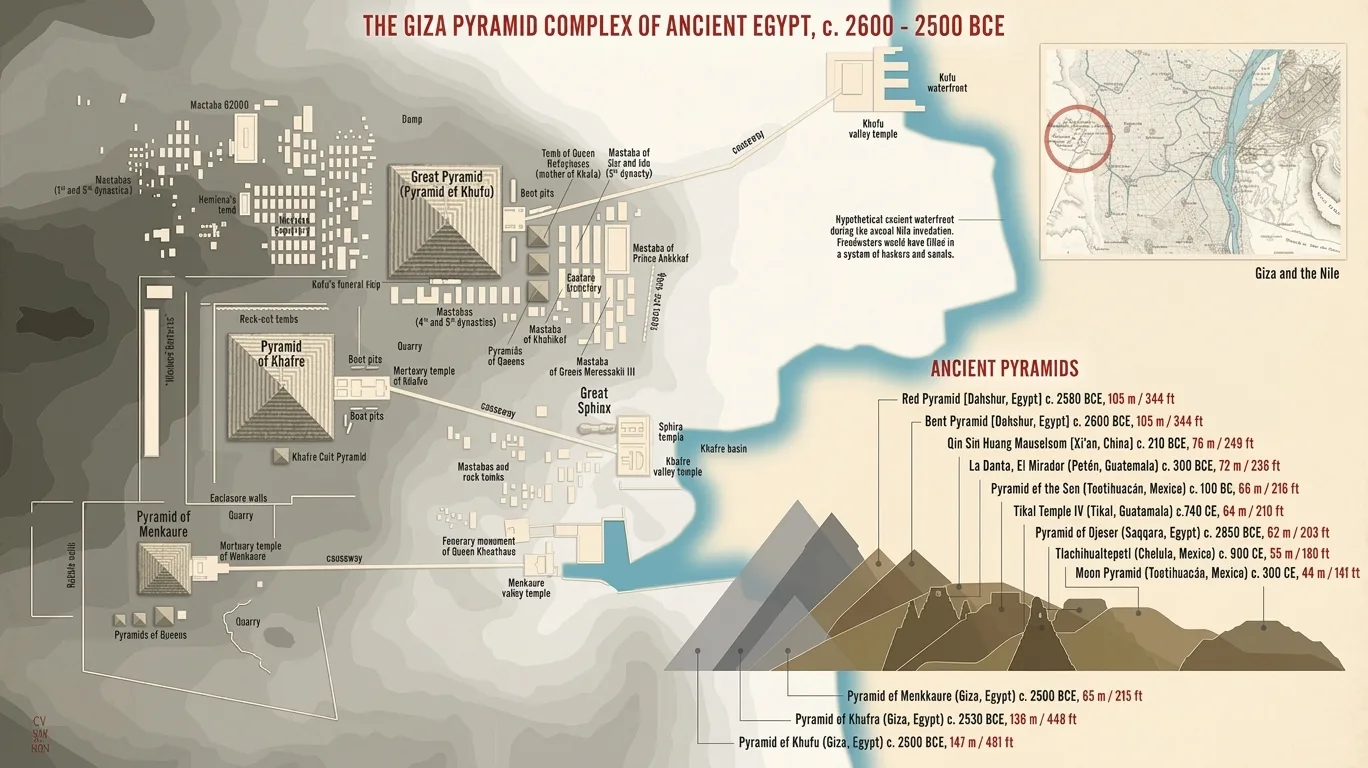
The Giza Pyramids Complex was created as an expansive royal funerary landscape deeply rooted in the religious, political, and cosmological belief systems of ancient Egypt, serving the supreme purpose of securing the eternal life of the pharaohs Khufu, Khafre, and Menkaure. Each colossal structure was built to protect the mummified body and preserve the ruler’s divine identity for eternity, but the complex functioned as much more than a simple tomb. It incorporated an intricate network of mortuary temples, valley temples, monumental causeways, and smaller satellite or queen's pyramids, all of which were vital stages for performing sacred rituals meant to sustain the pharaoh’s spirit, or "ka," in the afterlife. Architecturally and spiritually, the pyramids themselves carried profound cosmic meaning, symbolizing both the primordial mound that emerged from the waters of creation and the petrified rays of the sun, thereby connecting the deceased king directly to the sun god Ra and facilitating his triumphant ascent to the heavens.
Complementing this solar symbolism, the architectural layout demonstrated an astonishing mastery of science and sacred geometry through precise structural alignment with the cardinal directions and deliberate astronomical orientations, reflecting the ancient Egyptian determination to anchor royal legacy within the eternal cosmic order. On a sociopolitical level, the sheer scale, labor force management, and engineering precision required to construct these monuments served as a visible manifestation of the pharaoh’s absolute authority and divine kingship, reinforcing political unity and state power across the kingdom. Ultimately, the Giza Pyramids Complex operated as a brilliant synthesis of sacred theology and statecraft, successfully engineering the king's transition into a timeless, god-like entity while immortalizing the unmatched architectural sophistication and cultural genius of ancient Egyptian civilization.
The Layout of The Giza Pyramids Complex
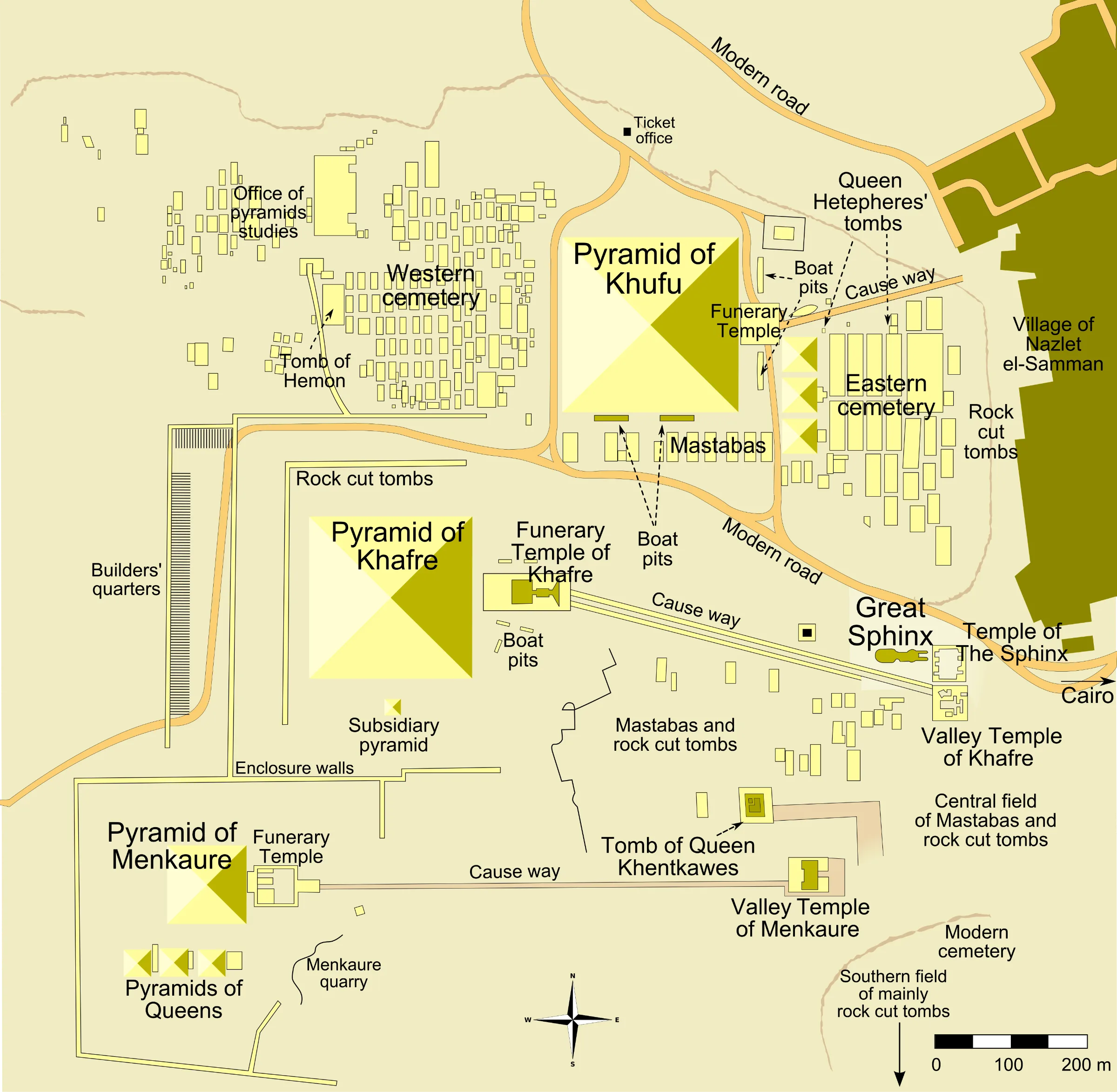
The layout of the Giza Pyramids Complex reflects a highly organized and symbolic design that combines architectural precision with religious meaning across a vast necropolis covering about 16,203.36 hectares (62.5615 square miles). At its heart stand the three great pyramids of Khufu, Khafre, and Menkaure, each serving as the center of its own funerary complex that included a mortuary temple on the eastern side, a valley temple near the edge of the Nile floodplain, and a causeway linking the two. Surrounding these main monuments are several queens’ pyramids, smaller satellite pyramids, and extensive mastaba cemeteries arranged for royal family members, wives, children, nobles, and high officials, while the Great Sphinx stands on the eastern side of Khafre’s pyramid as a monumental guardian figure reinforcing the sacred character of the site.
The entire complex is aligned with remarkable accuracy to the cardinal directions, showing the advanced surveying abilities of the ancient Egyptians, while some scholars have also connected the arrangement of the three main pyramids to the Orion constellation correlation theory. Furthermore, the site was supported by a large surrounding wall and a nearby workers’ village dating to the middle of the Fourth Dynasty (2520–2472 BC), along with workshops, storage areas, and administrative facilities that sustained both construction and ongoing ritual activity.
Although the pyramids were later targeted by tomb robbers, resulting in damaged interiors, missing treasures, and the loss of royal remains, the overall arrangement still reveals that the Giza Pyramids Complex was never a random collection of monuments. Instead, it stands as a deliberately planned ceremonial, funerary, and symbolic landscape where ancient Egyptian architecture, kingship, and cosmic beliefs were seamlessly united.
The Ethereal Astronomy of the Giza Pyramids Complex
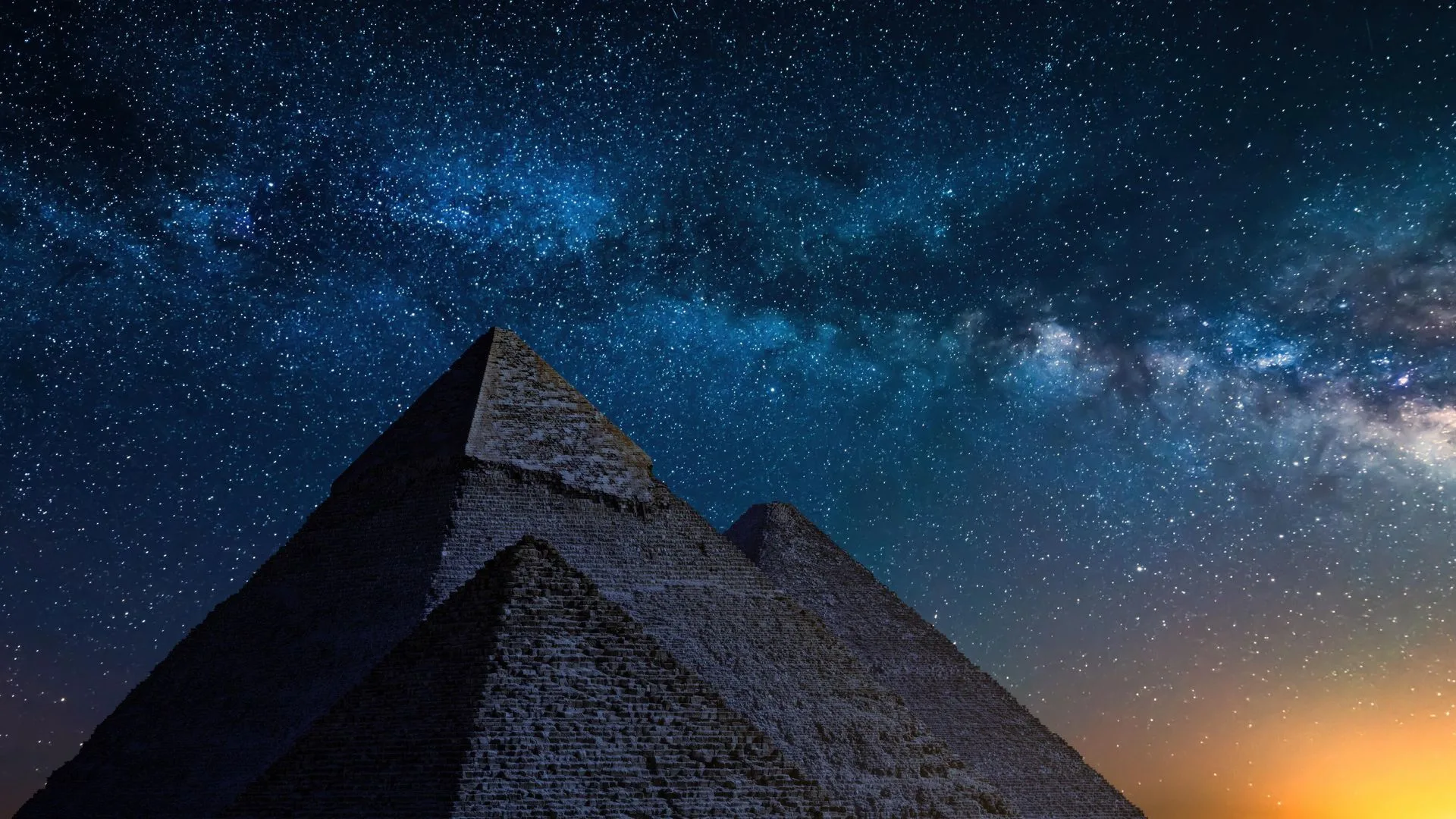
The astronomy of the Giza Pyramids Complex reflects the ancient Egyptians’ advanced understanding of the sky and its deep connection to their religious beliefs and royal ideology. The pyramids are aligned with extraordinary precision to the cardinal directions—north, south, east, and west—with only a minimal margin of error, demonstrating sophisticated surveying techniques likely based on observations of the sun and stars. This alignment was not merely practical but symbolic, linking the monuments to the concept of cosmic order, or "Ma’at," which governed both the universe and Egyptian society. Furthermore, solar alignment played a key role as the pyramids’ shape itself may represent the rays of the sun, linking the king to the sun god Ra and his daily journey across the sky to ensure his eternal existence among the divine.
One of the most discussed theories is the possible correlation between the three main pyramids and the three stars of Orion’s Belt, which were associated with the god Osiris, the ruler of the afterlife. According to this interpretation, the layout of the pyramids may have been designed to mirror the heavens, reinforcing the idea that the pharaoh would join the gods after death. Additionally, the internal shafts within the Great Pyramid, often called "star shafts," appear to align with specific celestial bodies, including stars in Orion and the constellation associated with the circumpolar "imperishable stars," which never set below the horizon and symbolized eternal life. Together, these astronomical and architectural features reveal that the Giza Pyramids Complex was designed as a cosmic structure integrating the movements of the heavens.
The Genius Construction of The Giza Pyramids Plateau
Construction, Logistics, and Engineering of the Giza Pyramids
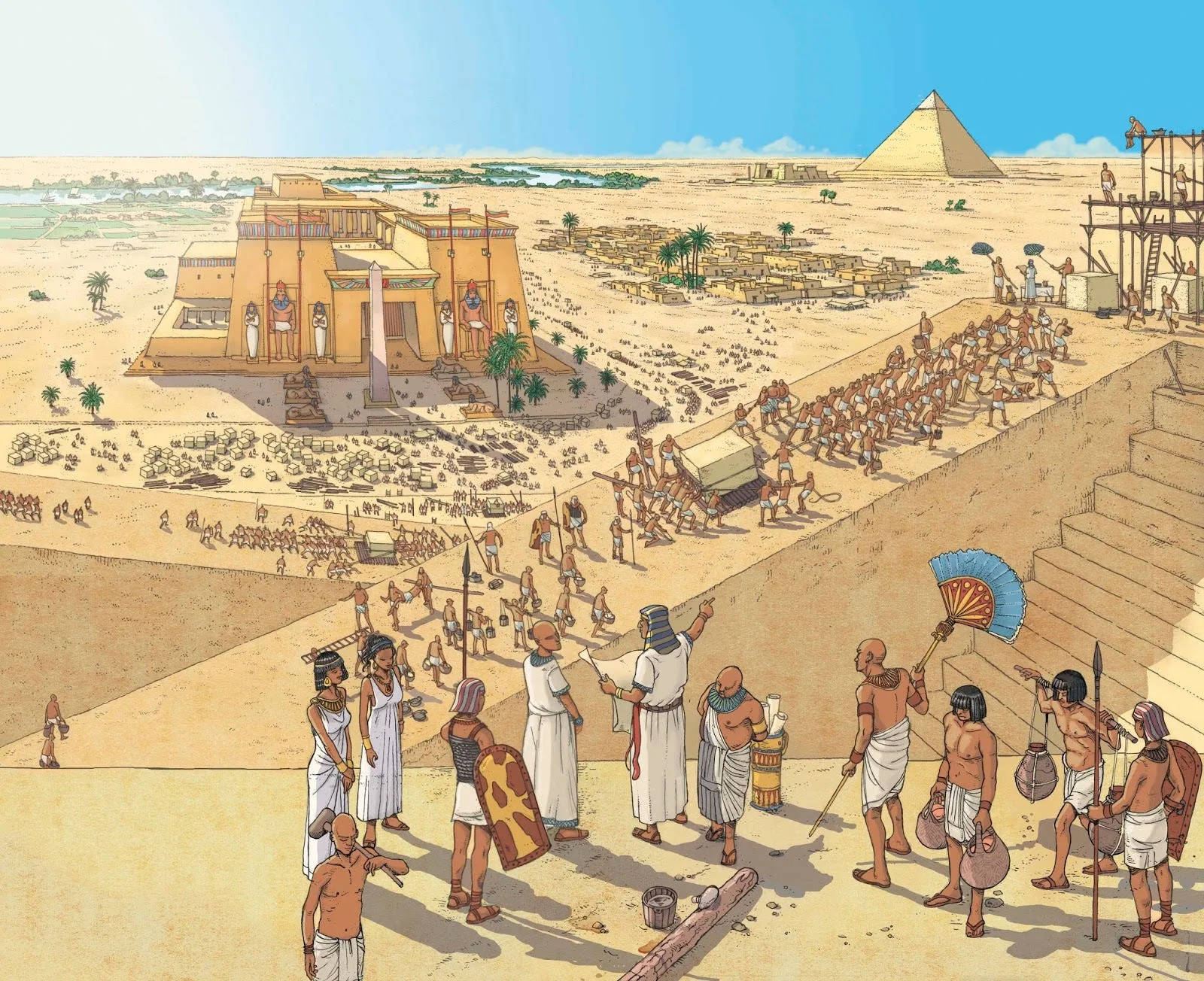
How the pyramids were built is a very important and complex question as the construction of the Giza Pyramids Complex remains one of the most studied engineering achievements in ancient history, and although no single theory explains every stage with complete certainty, most explanations agree that the pyramids were built by quarrying massive stone blocks, transporting them to the site, and dragging, lifting, and setting them into position with remarkable precision. Here are the steps of how the pyramids of Giza came to be, step by step:
Site Selection and Foundation Preparation
The builders first selected a stable area of flat limestone bedrock rather than loose sand, creating a secure foundation for monuments of enormous weight. After carefully surveying the site, they laid the first courses of stone and continued building upward in horizontal levels, one layer above another, ensuring long-term stability and structural accuracy.
Quarrying and Building Materials
The majority of the limestone used in the pyramids was quarried directly on the Giza Plateau, while the fine white casing limestone came from Tura and granite for chambers and structural elements came from Aswan. This shows that the project depended on both local quarrying and long-distance transport, reflecting the advanced logistical capacity of the ancient Egyptian state. There is also a theory that states limestone recycling took place where the ancient Egyptians engaged in material management.
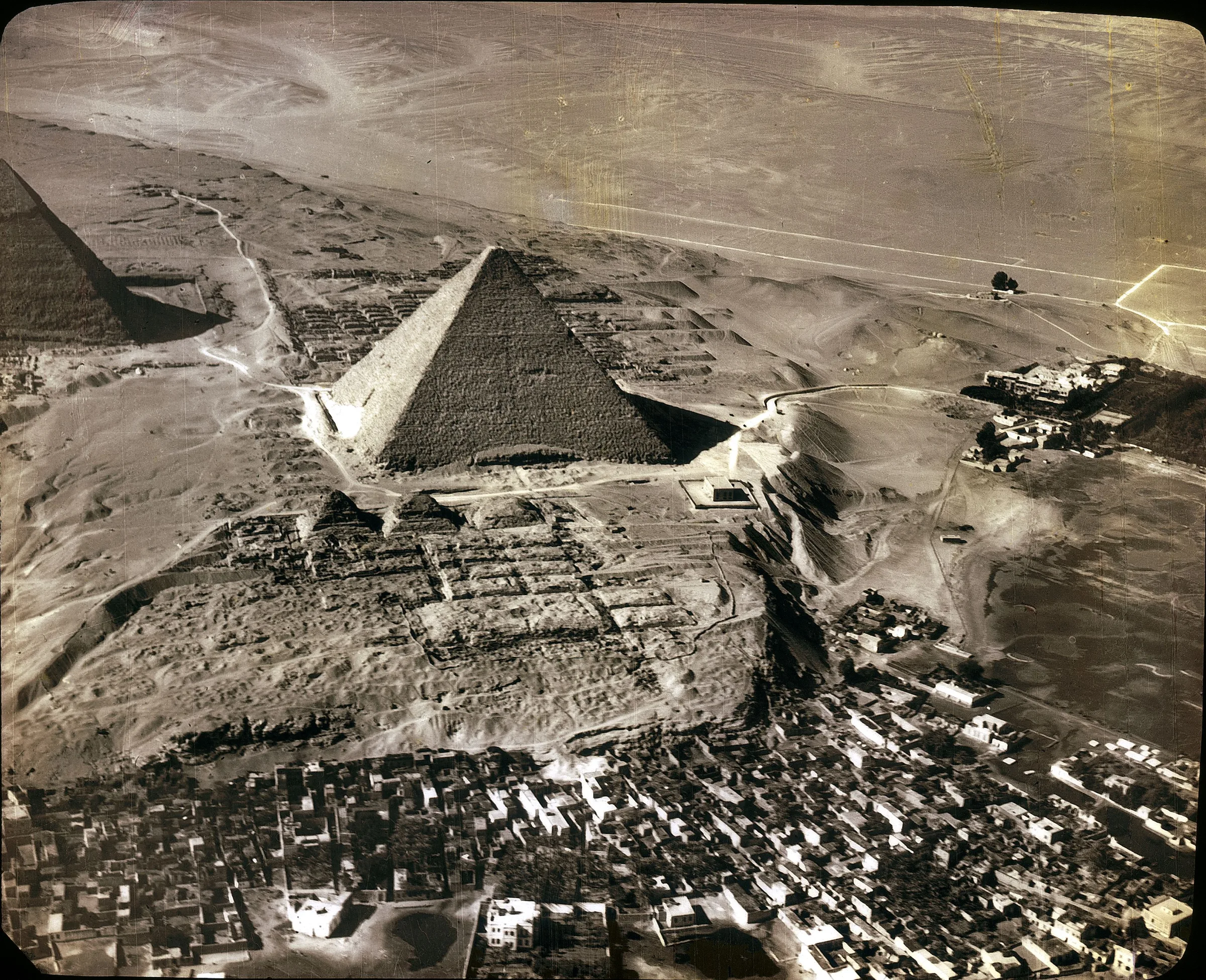
Rising from the desert plateau on the outskirts of Cairo, the Giza Pyramids Complex stands as the crowning achievement of Egypt's Old Kingdom.
Transporting the Stone Blocks
Evidence from the Wadi el-Jarf papyri, especially the diary of the inspector Merer, indicates that high-quality limestone was transported by boat along the Nile and through a canal or basin system linked to Giza, after which the blocks were hauled across land to the construction area. One of the most widely accepted transport theories suggests that workers placed the stones on wooden sledges and dragged them across wet sand, reducing friction and making the transfer easier.
Theories of Raising the Stones
As for raising the stones to higher levels, scholars have proposed several methods, including straight external ramps, encircling ramps, zigzag ramps, and spiral ramps, all of which would have allowed blocks to be pulled upward as the pyramid rose. Another influential theory argues for an internal ramp system, in which stones were moved through a passage built inside the pyramid’s outer shell, while some researchers also suggest that levers were used in the upper stages, where large ramps may have become impractical.
There is also the spiral ramp theory, which suggests that instead of building enormous ramps outside the pyramid, of which no clear archaeological evidence has ever been found, the ancient Egyptians may have used an internal spiral ramp built within the pyramid’s structure itself. This hidden ramp would have allowed workers to gradually move the heavy limestone blocks upward from the inside, offering a more efficient and controlled construction process while explaining the absence of ramp remains around the site. The theory also connects to the function of internal features like the Grand Gallery, proposing it may have been used as part of a lifting or counterweight system. Supported by modern scans revealing unexplained voids within the pyramid, this idea provides a logical explanation for the pyramid’s incredible precision and engineering, although it remains a debated hypothesis among scholars rather than a confirmed fact.
These theories are not necessarily contradictory, and many Egyptologists believe that different techniques may have been used at different phases of construction and for different types of stone.
Tools and Stone Working Techniques
For the softer limestone, workers likely used copper tools to cut and shape the blocks, while harder granite was worked using abrasive sands and rough stone powders, with copper tools assisting in the finishing process. These methods demonstrate a practical and highly skilled approach to working with materials of very different hardness.
Precision and Exterior Finishing
To maintain the pyramid’s symmetry, the exterior casing stones had to be cut to uniform dimensions and carefully trimmed so that they fit together with exceptional precision, creating a smooth outer surface of polished limestone. Most of this outer casing was later removed in the Middle Ages for building projects in Cairo, which explains why only limited traces survive today.
Time, Labor, and Workforce Estimates
Debate has long surrounded the time and labor required for construction. The Greek historian Herodotus claimed the Great Pyramid took 20 years and 100,000 workers laboring in three-month shifts, while modern historians more commonly estimate that the project lasted about 20 to 27 years and involved roughly 20,000 to 30,000 year-round workers and craftsmen who had houses, medical care, and were paid regularly for their work.
Altogether, the evidence shows that the pyramids were not the result of mystery or lost technology, but of careful planning, evolving construction methods, strong administration, skilled labor, and highly efficient logistics refined through generations of pyramid building before Giza.
Visiting guidance
Best time to visit
ctober – April, early morning
Private access options
After-hours entry by permit
Crowd level
Busy by 9am, serene at dawn
Location coordinates
29.9792° N, 31.1342° E
Private by design
Desire a private, after-hours audience with Cairo?
Craft your custom itineraryExplore more insider guides
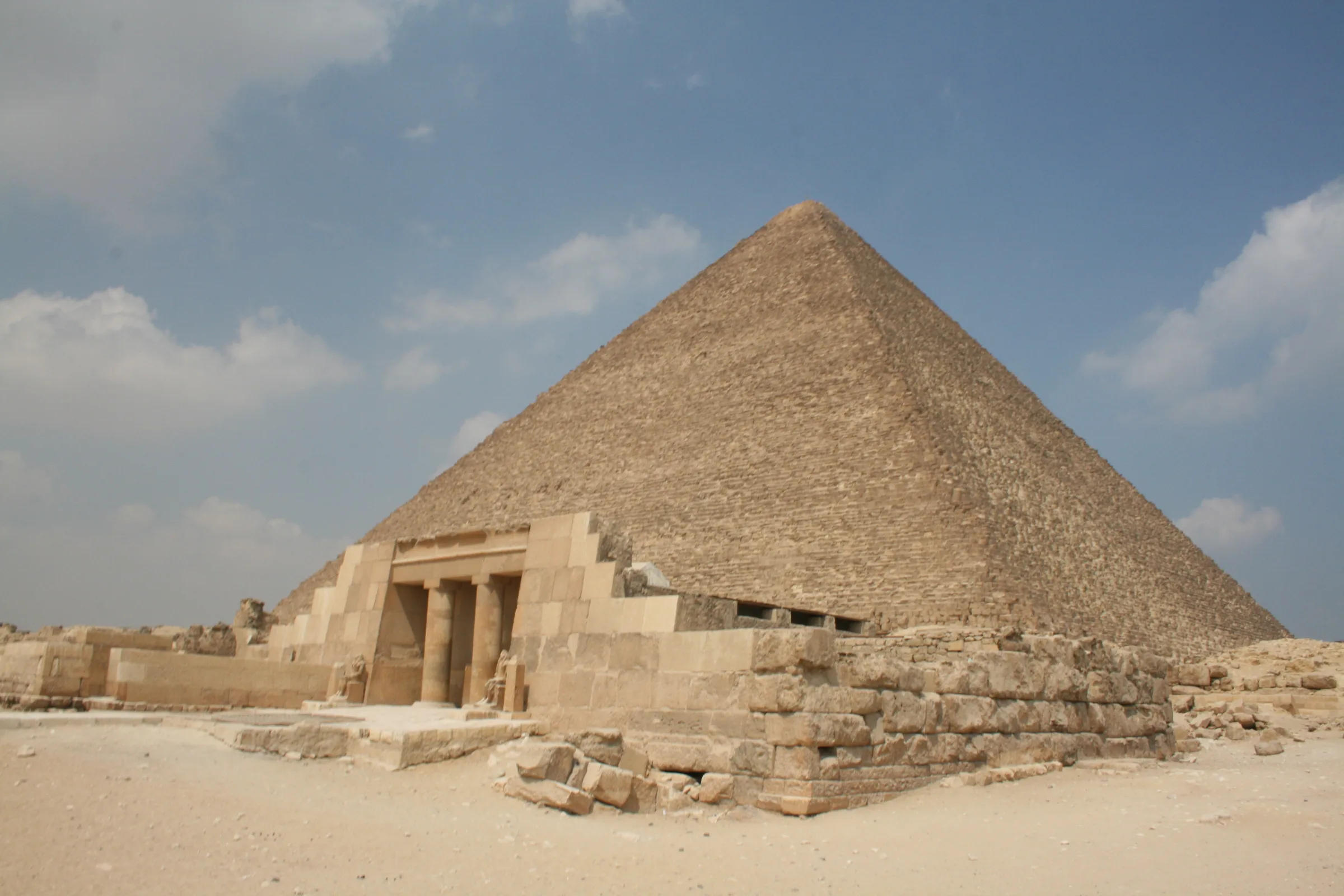
The Great Pyramid of Giza: Ancient Egypt's Architectural Masterpiece
Explore the history, construction, and enduring legacy of the Great Pyramid of Giza, ancient Egypt's supreme architectural masterpiece.
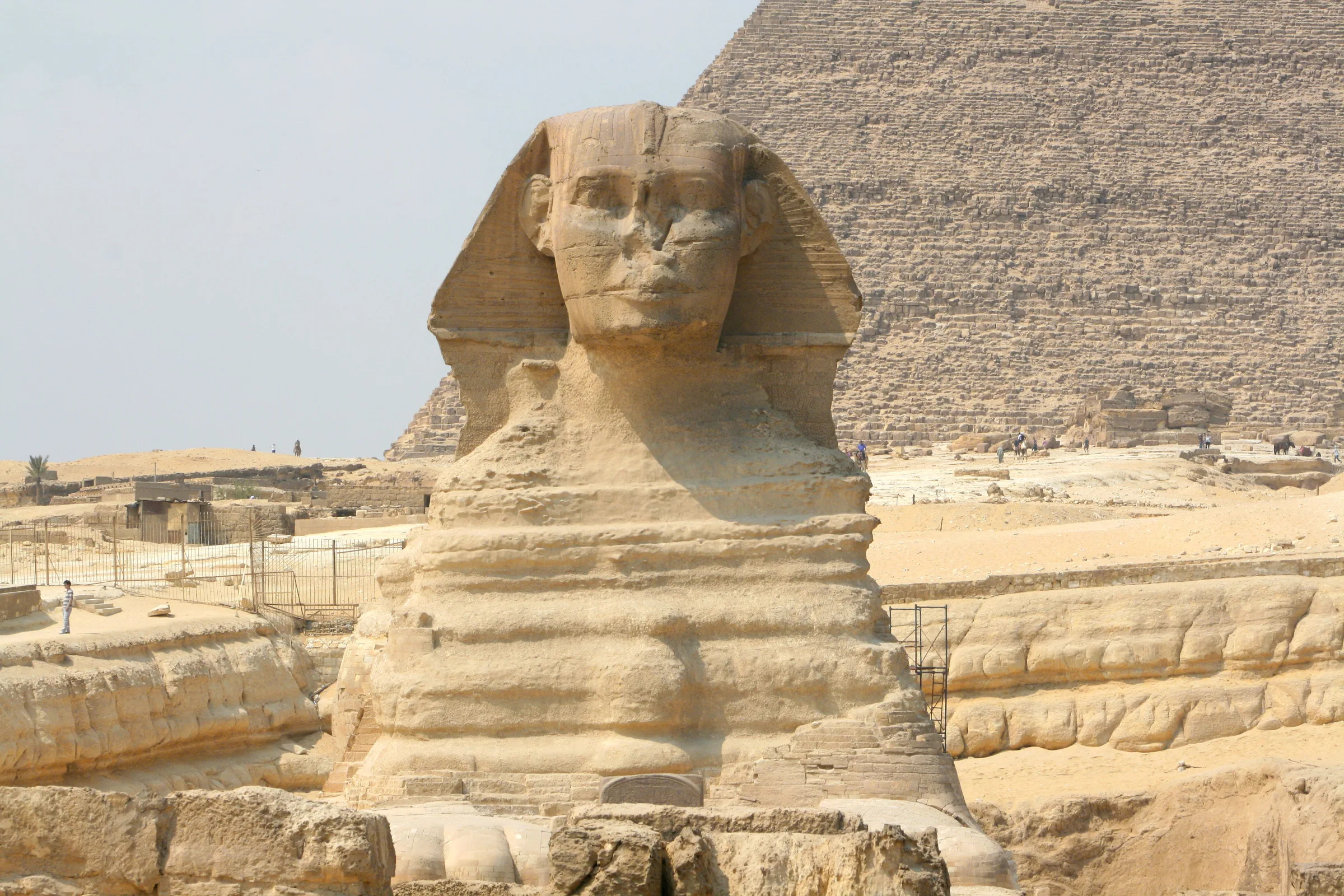
The Great Sphinx of Giza: History, Secrets & Mysteries
Discover the secrets of the Great Sphinx of Giza, exploring its ancient history, mysterious origins, and enduring myths on Egypt's iconic plateau.