The Great Pyramid: An Architectural & Astronomical Marvel
Discover the iconic Great Pyramids of Giza. Experience timeless pharaonic history, celestial alignment, and world-class ancient architecture.
Curated by Not filled in yet · Published September 2026 · 6 minutes read
Contents
The Great Pyramid of Giza is an extraordinary, heavenly construction that exhibits the supreme brilliance and dedication of the Human Race, transcending our common understanding of art and science to an entirely new level of comprehension. Created when humanity first began to take control of its own destiny, this magnificent monument stands as eternal, living evidence of the power, wisdom, and intelligence of the ancient Egyptians. Crafted by our highly knowledgeable team of expert Egyptologists, professional tour guides, and tour operators, this comprehensive guide is designed to provide travelers, researchers, and scholars with every essential detail regarding the iconic Pyramid of Khufu—also known worldwide as the Pyramid of Cheops.
Far more than an ancient tomb, the Great Pyramid served as a true representation of the social structure of the ancient Egyptian community. It held immense spiritual importance within ancient Egyptian religion as an architectural replica of the primeval mound—the sacred earth from which the universe was created by the hands of the supreme creator god, Amun. Today, this pharaonic masterpiece remains an incredible mystery, continually capturing the minds of everyone from first-time tourists to world-renowned archaeologists and scientists.
Summary Highlights
-
•
4,500-Year History: Built over 4,500 years ago during the Fourth Dynasty of ancient Egypt, universally known as the Pyramid of Khufu or Cheops.
-
•
Multifaceted Legacy: Possesses a rich, enduring legacy spanning history, fine art, engineering science, and ancient spirituality.
-
•
Pharaonic Commission: Commissioned by Pharaoh Khufu around 2560 BCE as his royal tomb, symbolizing divine authority and Old Kingdom spiritual beliefs.
-
•
Record Height: Originally reached a height of 146.6 meters (481 feet), standing as the tallest man-made structure on Earth for nearly 4,000 years.
-
•
Massive Construction: Built using 2.3 million individual limestone blocks, requiring the coordinated labor of approximately 100,000 workers.
-
•
Precision Engineering: Constructed using advanced methods like ramps and sledges, with its four sides aligned almost perfectly to the cardinal points.
-
•
Interior Architecture: Houses three main interior chambers, including the solid-granite King's Chamber and the soaring Grand Gallery with its vaulted ceiling.
-
•
Surrounding Complex: Features mysterious narrow air shafts, an unfinished subterranean chamber, mortuary and valley temples, and satellite pyramids for royal family members.
-
•
Modern Research: Analyzed with non-invasive technologies like muon radiography and Synthetic Aperture Radar (SAR), which continue to uncover hidden voids and passageways.
-
•
Last Surviving Wonder: Stands as the sole surviving monument of the original Seven Wonders of the Ancient World, inspiring continuous scholarly debate and global wonder.
Exploring the History of Cairo's Great Pyramid of Khufu
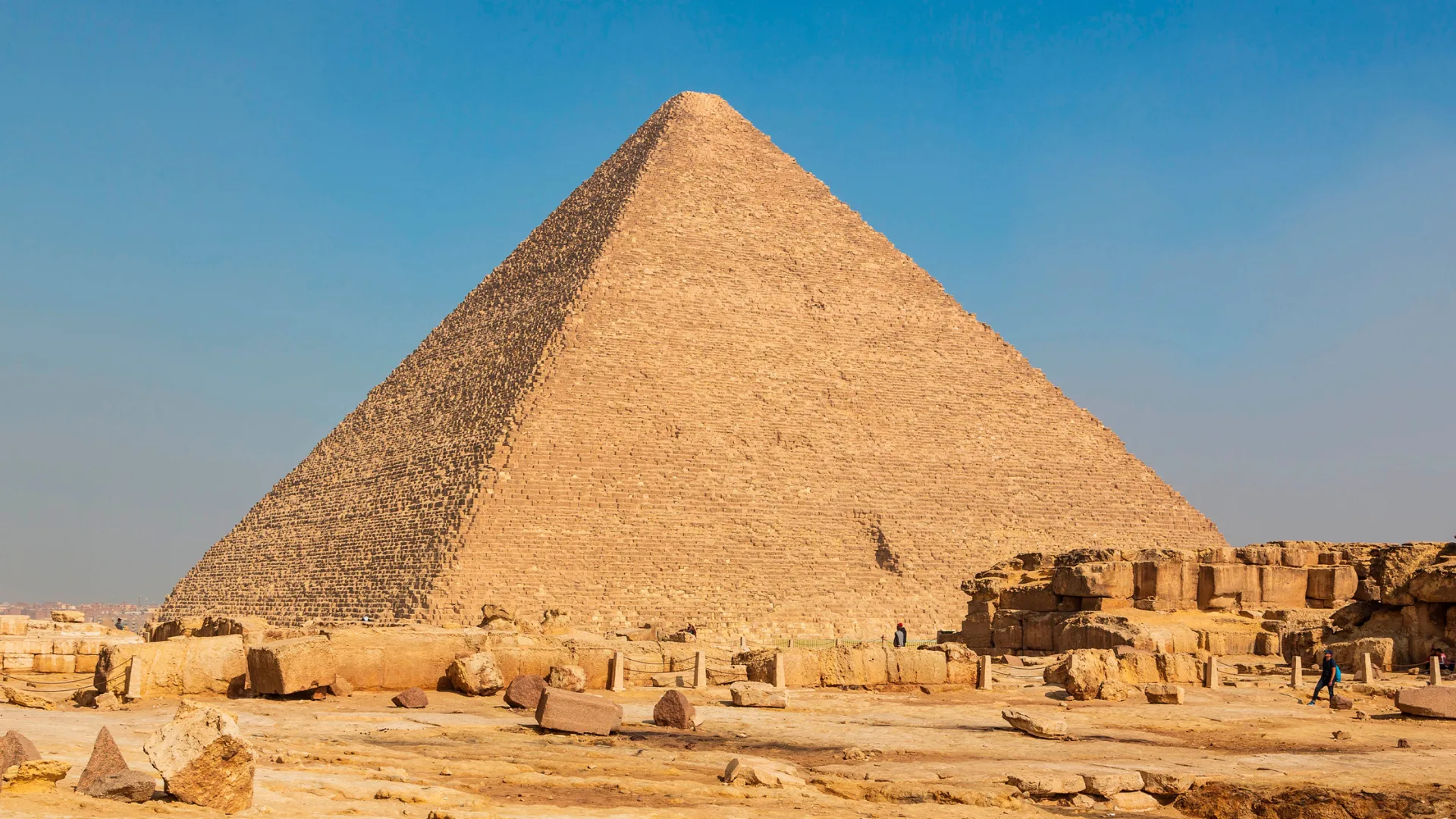
Commissioned around 2560 BC during Egypt's Old Kingdom (2686–2181 BC) as a final resting place for Pharaoh Khufu—later referred to as "Cheops" by Greek chroniclers—the Great Pyramid stands as the first of the three Giza monuments and an enduring anchor of the ancient Memphis area, which was designated a UNESCO World Heritage site in 1979 alongside Saqqara, Dahshur, Abu Ruwaysh, and Abu Sir. Spearheaded by the Fourth Dynasty pharaohs, who harnessed central government stability, trade wealth, and a substantial workforce to construct immortal monuments, this golden era of architecture was first pioneered by Khufu's father, Sneferu. Upon coming to power, Khufu strategically chose the Giza plateau for his necropolis to ensure his tomb faced no nearby architectural rivals, while also honoring the memory of his mother, Hetepheres I, who was buried at the site in 2566 BCE.
Scientific methods blending historical chronology with radiocarbon dating place the construction of Khufu's monument roughly between 2700 and 2500 BC, establishing a legacy thoroughly documented by historians across millennia. Early accounts range from the Greek historian Herodotus in the 5th century BC and Diodorus Siculus (60–56 BC) to an ancient Greek geographer, historian, and philosopher visiting in 25 BC, Roman writer Pliny the Elder in the 1st century AD, and scholars throughout the Greek and Coptic eras. Exploration deepened during the Islamic period when Abbasid Caliph Al-Ma'mun tunneled into the monument in 820 AD, breaching the structure to uncover its ascending passage and connecting chambers; this later inspired rigorous academic study by Arab polymaths including Abd al-Latif al-Baghdadi (1163–1231) and Al-Maqrizi (1364–1442). Centuries later, following the capture of Cairo during the Battle of the Pyramids on July 21, 1798, Napoleon Bonaparte and his French troops famously entered the Great Pyramid, adding another iconic chapter to its grand history.
Disoverthe Unique Location of the Great Pyramid of Khufu
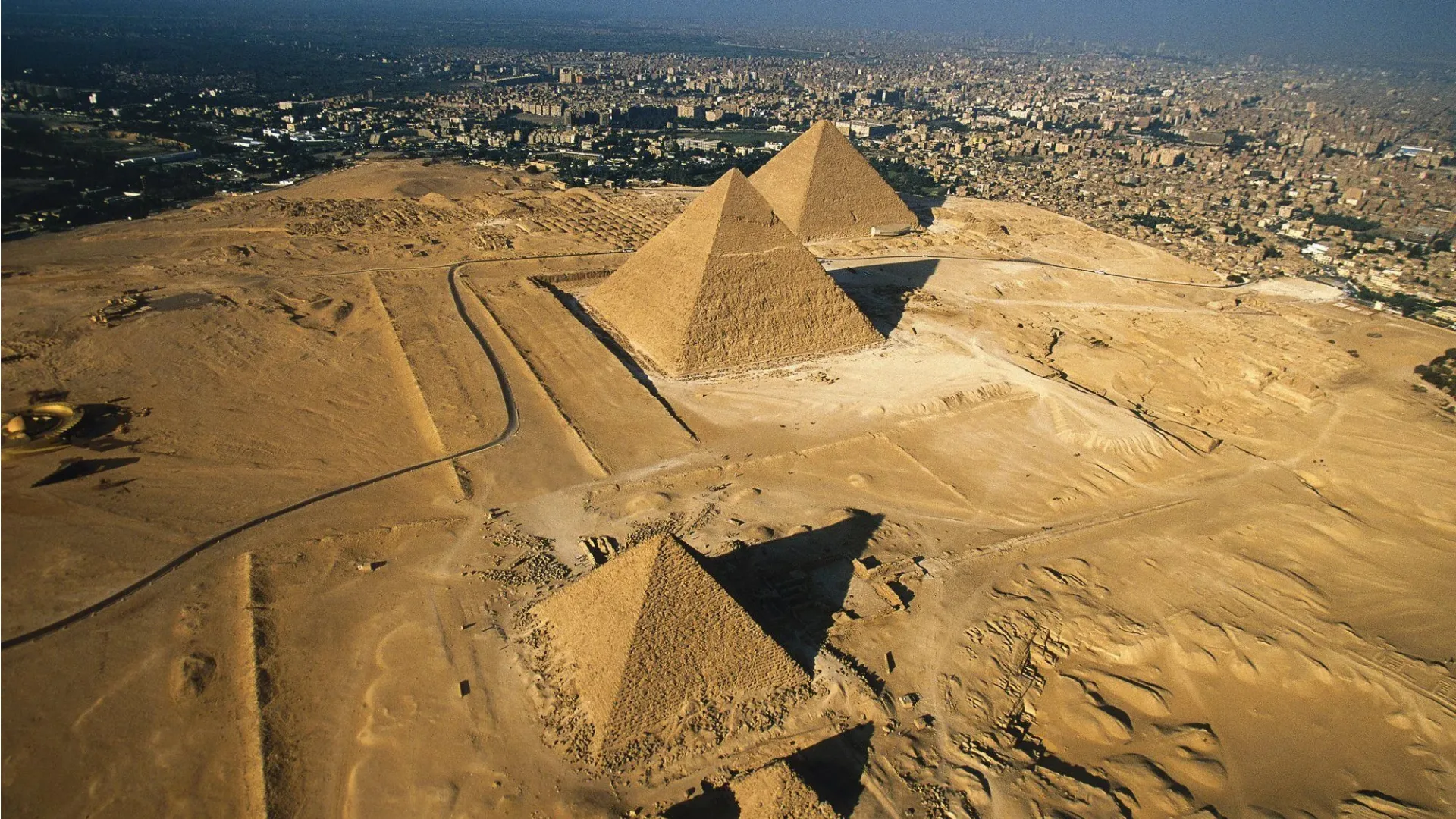
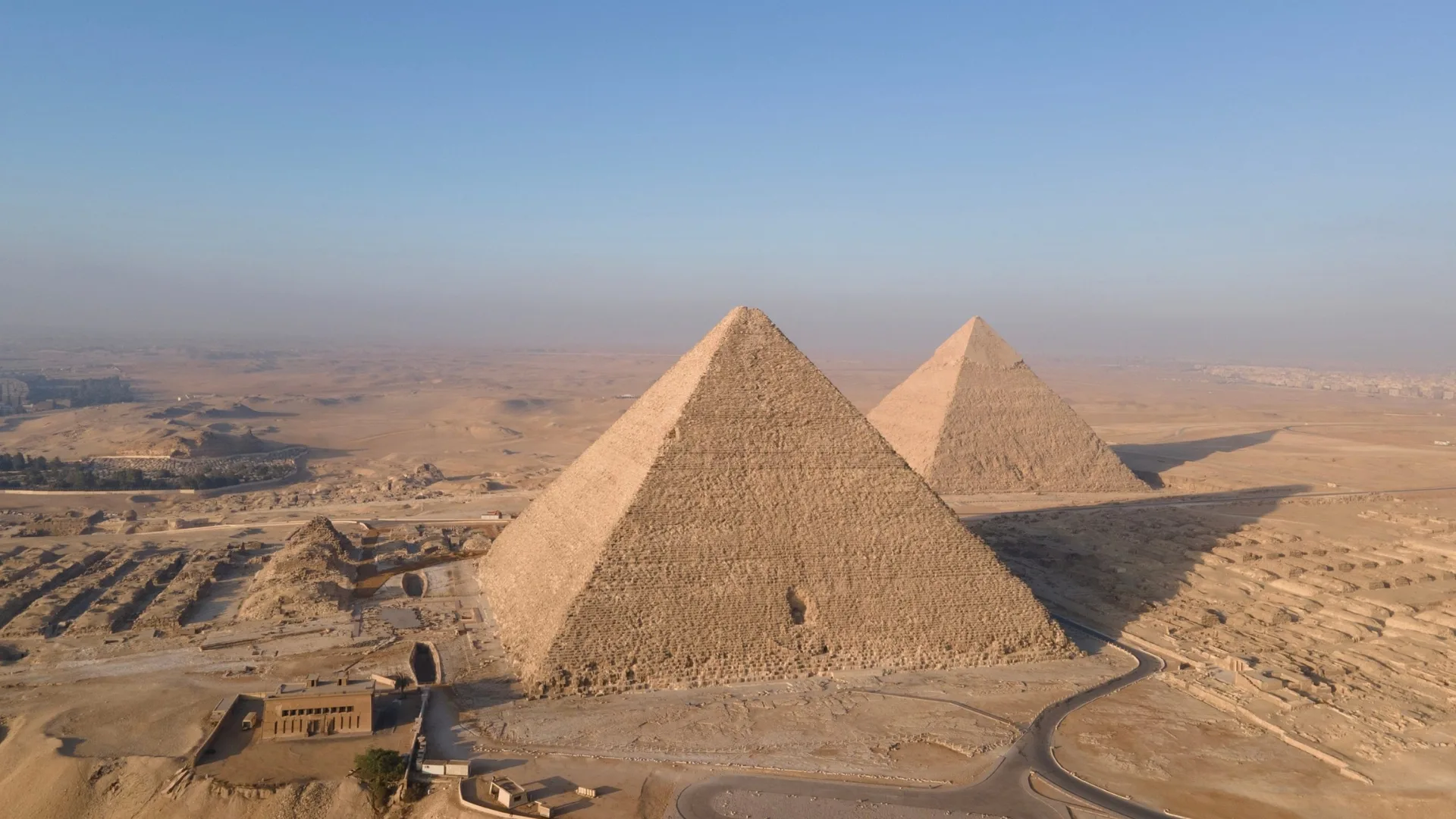
Situated on the high limestone bedrock of the Giza Plateau on the West Bank of the Nile River—just 13 kilometers southwest of modern Cairo—the Great Pyramid of King Khufu occupies one of the most geographically significant locations on Earth. Positioned at the precise coordinates of 29°58′45″N 31°08′03″E, the monument stands near the unique intersection of the longest land parallel and meridian, placing it near the geographical center of the world's landmass. In ancient Egyptian cosmology, erecting this royal necropolis on the Nile's western shore was deeply symbolic, representing the sacred realm of the setting sun and the transition into the eternal afterlife.
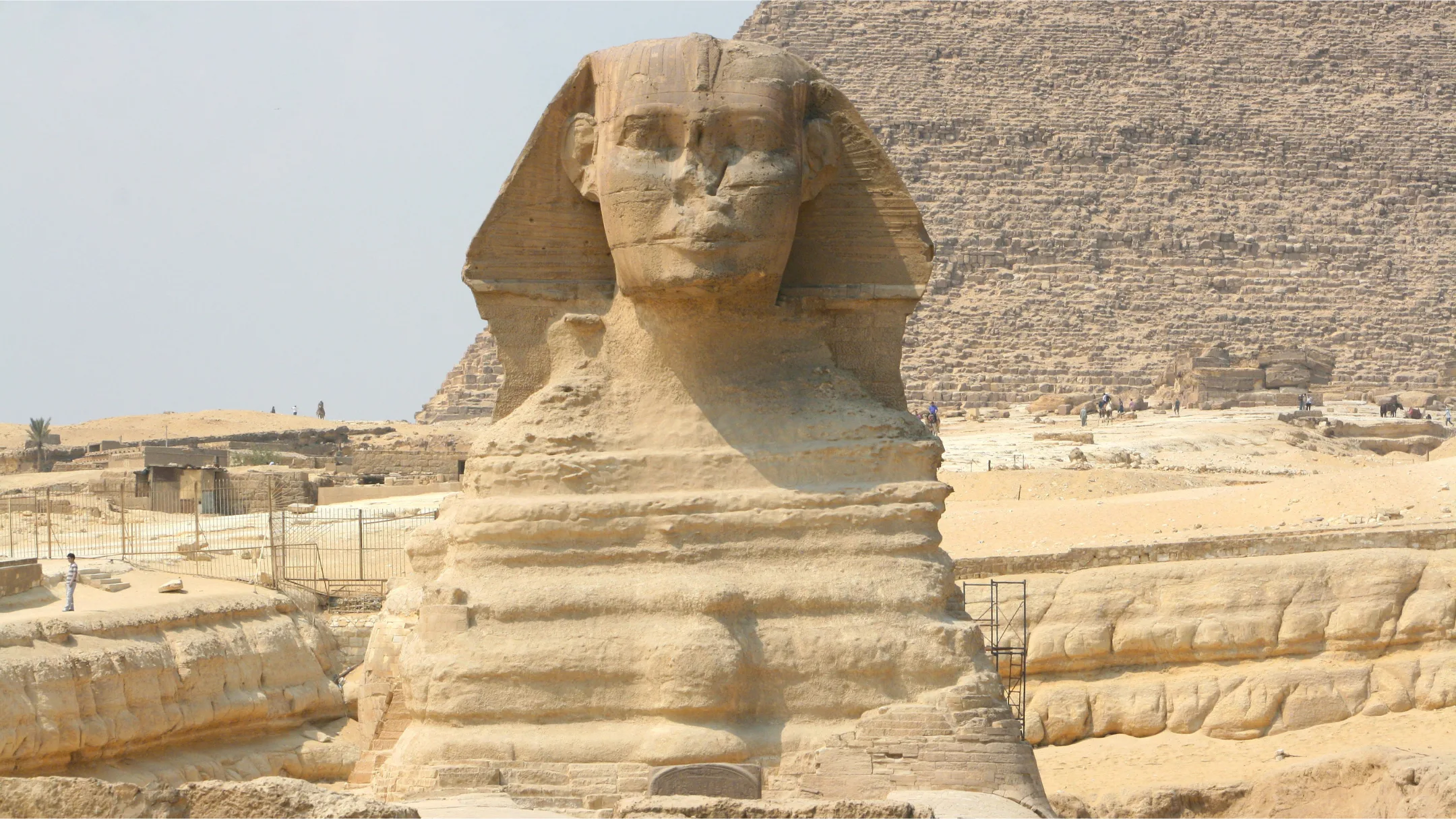
As the anchor of the UNESCO World Heritage Giza Pyramid Complex, Khufu’s monument dominates a sacred landscape shared with the sister pyramids of Khafre and Menkaure. Just southeast of the Great Pyramid, along the causeway leading toward Khafre’s Valley Temple, lies the legendary Great Sphinx—carved directly from the plateau's natural limestone bedrock to stand guard over the royal complex. Together with its surrounding satellite pyramids, noble mastabas, and mortuary temples, the strategic position of the Great Pyramid on the edge of the Western Desert continues to represent a masterclass in ancient urban planning and sacred geography.
Exploring the Royal Heritage and Power of King Khufu
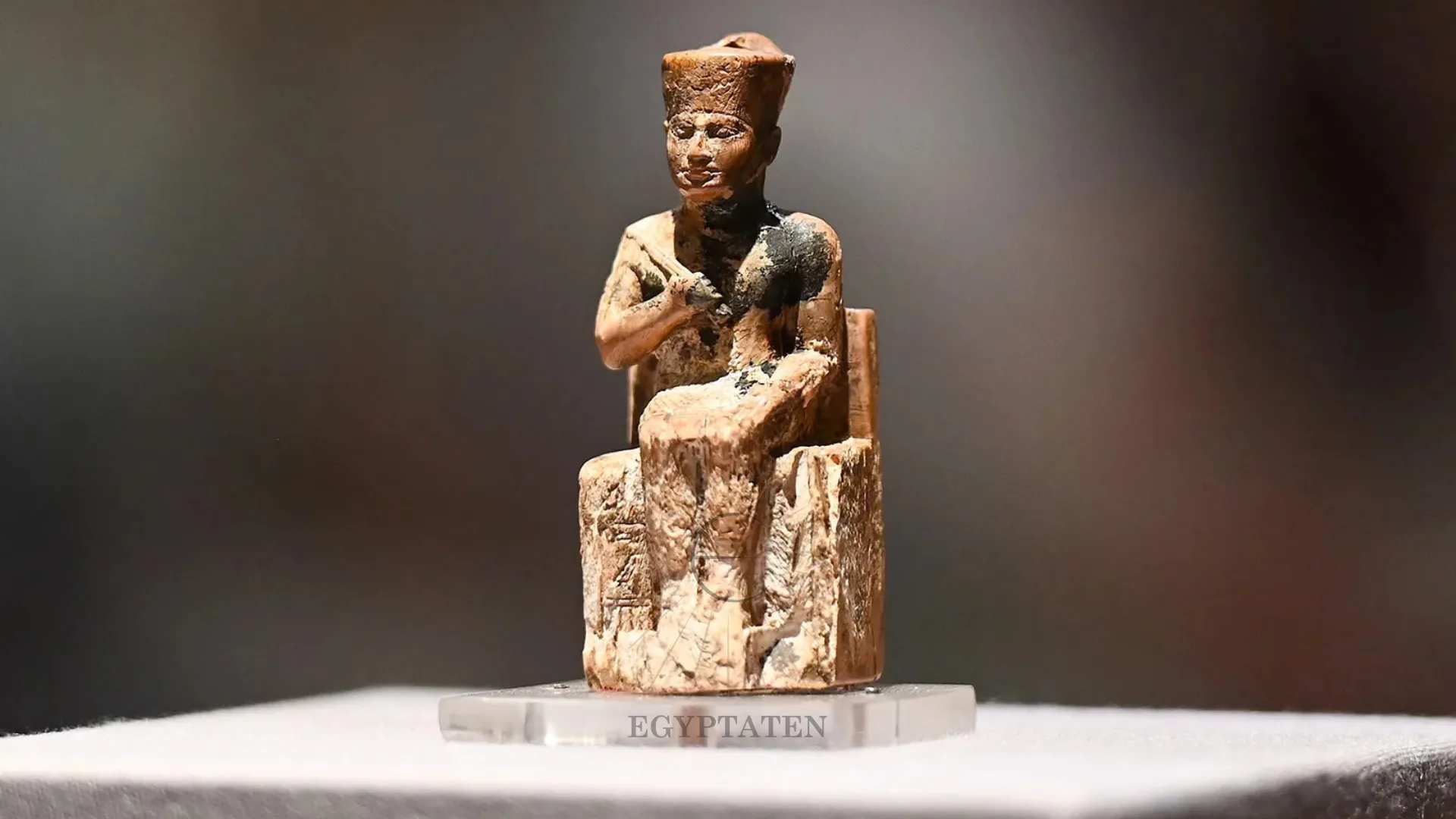
Reigning during the 26th century BC (c. 2589–2566 BC), King Khufu was the second pharaoh of the Fourth Dynasty during Egypt's golden Old Kingdom era. Born as Khnum-Khufu—meaning "Khnum Protects Me"—he succeeded his father, King Sneferu, who had perfected pyramid building techniques through the construction of the Meidum, Bent, and Red Pyramids. While ancient chroniclers such as Herodotus and Manetho assigned Khufu extraordinarily long reigns of 50 to 63 years, modern Egyptological consensus estimates his rule at approximately 23 to 46 years based on administrative cattle-count inscriptions. Beyond his architectural ambitions, Khufu solidified central government authority and dispatched mining and trade expeditions to Sinai (Wadi Maghara) for turquoise and copper, as well as Nubia for high-grade diorite.
Although Khufu immortalized his divine power through the construction of the Great Pyramid of Giza—the largest stone monument ever erected—a compelling historical paradox surrounds his physical legacy. His royal mummy and funerary treasures were looted from the granite King's Chamber during antiquity, leaving his sarcophagus empty. Remarkably, the only intact likeness of this monumental ruler ever discovered is a miniature 7.5-centimeter (three-inch) ivory figurine unearthed at Abydos in 1903 by Sir William Flinders Petrie. Today, this priceless artifact is preserved in Cairo at the Grand Egyptian Museum, standing as a delicate contrast to the giant architectural marvel Khufu left behind for eternity.
The Construction of the Great Pyramid of Giza
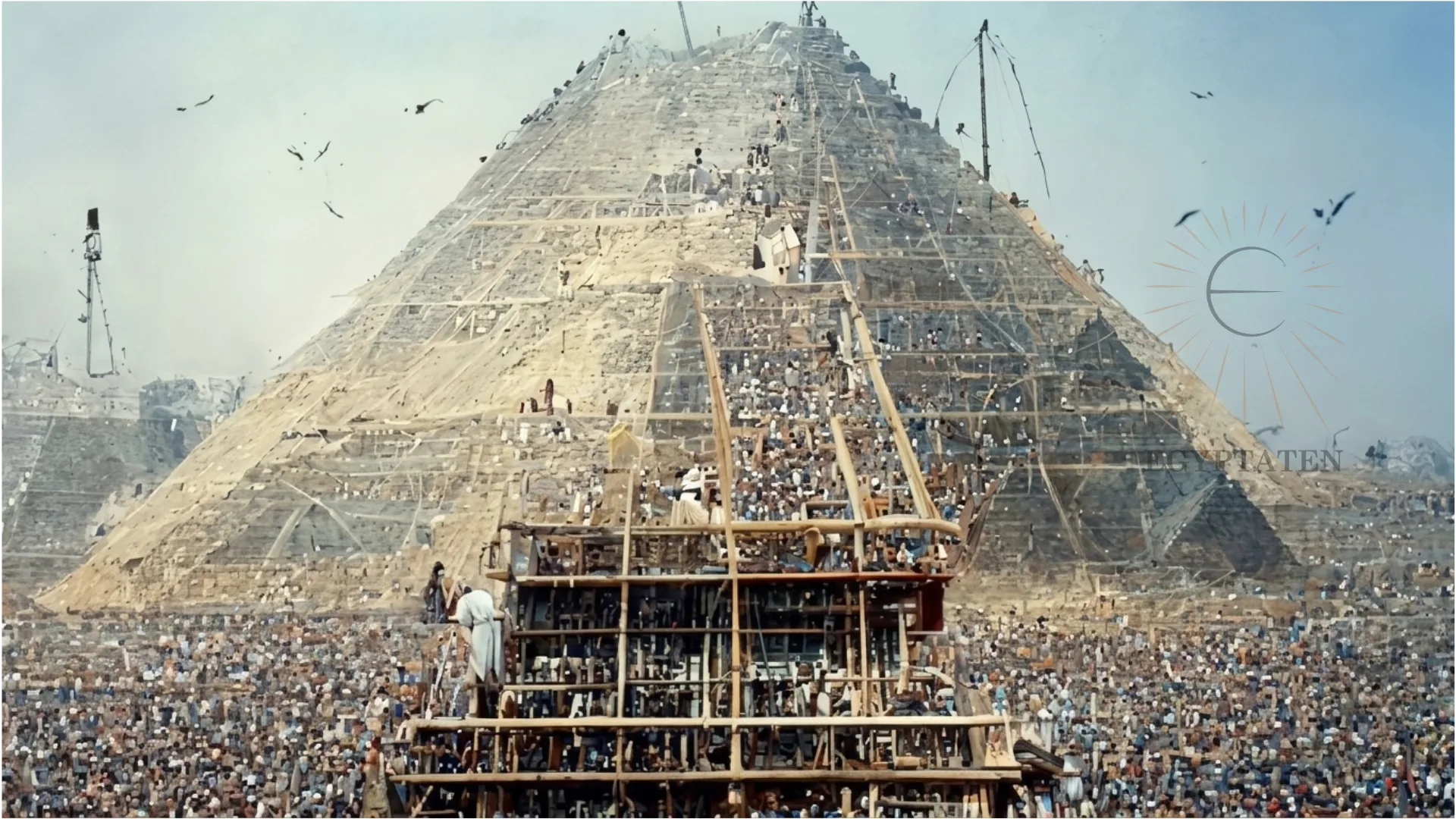
What renders the Great Pyramid an absolute wonder of the ancient world is the extraordinary precision of its construction, which definitively disproves outdated theories of forced slave labor. Achieving such unmatched engineering exactness required an advanced grasp of organizational management dynamics and critical path analysis to direct a workforce that peaked at roughly 100,000 skilled members operating on structured, rotating shifts within a clear hierarchical team framework. The monumental effort required approximately 5.5 million tonnes of limestone, 8,000 tonnes of granite, and 500,000 tonnes of mortar. Massive granite blocks weighing up to 80 tonnes each were transported from Aswan to construct the load-bearing King's Chamber structure, while high-grade white limestone from the quarries of Tura was meticulously fitted for the outer casing.
Originally, this smooth Tura limestone casing bestowed upon the monument a brilliant, heavenly appearance, crowned at its apex by a gleaming capstone forged from precious gold or electrum. Over subsequent centuries, much of this outer casing was stripped away to construct historic fortresses and grand mosques throughout Cairo, exposing the monumental core beneath. While the exact building techniques remain among archaeology's most debated questions, most historians and scholars conclude that construction relied on expanding, sloping embankments of brick, sand, and earth that grew in both height and length as the pyramid ascended. Utilizing wooden rollers, sledges, and heavy levers, the builders hauled the multi-tonne stone blocks up these ramps, cementing the Great Pyramid as a timeless masterwork of human effort.
Beyond his architectural ambitions, Khufu solidified central government authority and dispatched mining and trade expeditions to Sinai (Wadi Maghara) for turquoise and copper, as well as Nubia for high-grade diorite.
Exploring the Interior Chambers of Giza’s Great Pyramid
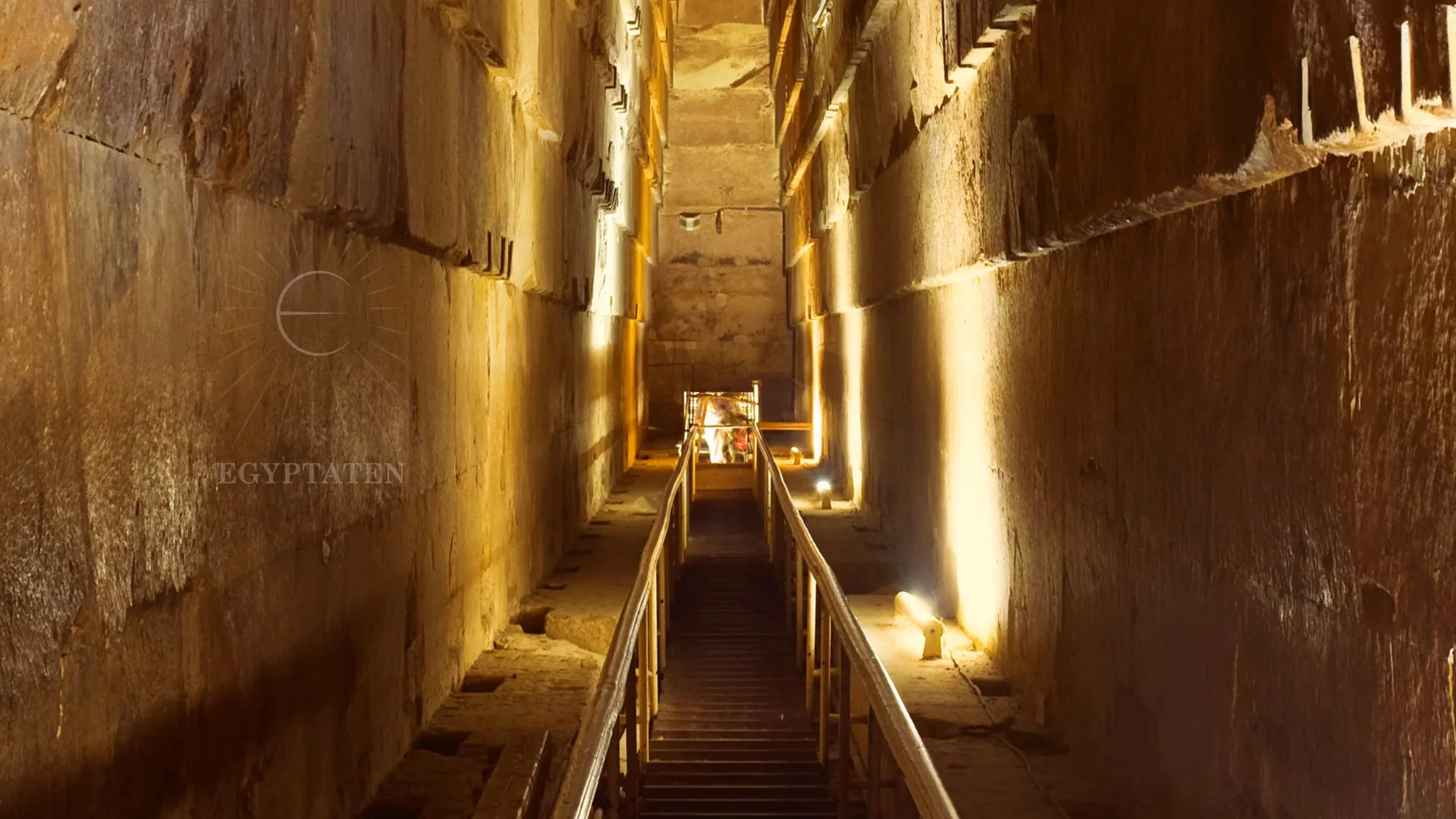
The interior of the Great Pyramid—long the subject of fringe and unorthodox theories—is a masterwork of ancient engineering featuring three main interior chambers, an unfinished subterranean vault whose function remains an enigma, and a vast surrounding sacred complex. Providing direct access to the royal resting places, the Grand Gallery stands as an extraordinary triumph of stonemasonry, measuring 8.6 meters (28 feet) high and 46.68 meters (153.1 feet) long with walls lined by massive, unadorned granite blocks completely devoid of murals, carvings, or artifacts. Its soaring corbelled vault arches inward at an angle of roughly 26 to nearly 30 degrees through stone layers stacked with a slight overhang, leading toward both the King's vault and the Queen's Chamber, which was designed for the pharaoh's wife using a similar architectural layout with subtle variations. Beyond the central pyramid, the overall site contains a newly discovered "big void," a smaller satellite pyramid, five buried wooden solar barges, tombs for Khufu's family and royal court, and an upper mortuary temple linked by a causeway to a lower valley temple by the Nile River—all fully enclosed by a massive limestone wall.
At the heart of the structure, positioned precisely along the pyramid's central axis, lies the King’s Chamber—constructed entirely from solid granite and containing a single, empty monolithic granite sarcophagus carved from a single block. Measuring 228 cm (7.48 ft) by 98 cm (3.22 ft) externally and 198 cm (6.50 ft) by 68 cm (2.23 ft) internally, with a height of 105 cm (3.44 ft) and a wall thickness of 15 cm (0.49 ft), the chamber was originally sealed using heavy granite blocking stones behind limestone-obscured shaft entrances. Directly above the ceiling, five stacked compartments known as relieving chambers, separated by massive limestone beams, were engineered to absorb the colossal pressure of the monument and redirect weight into the surrounding masonry, while narrow "air shafts" radiate outward from the upper chambers toward the northern and southern skies, precisely aligned with celestial constellations to assist in ascending the pharaoh's spirit to the heavens.
The Grand Pyramid's Complex of Giza
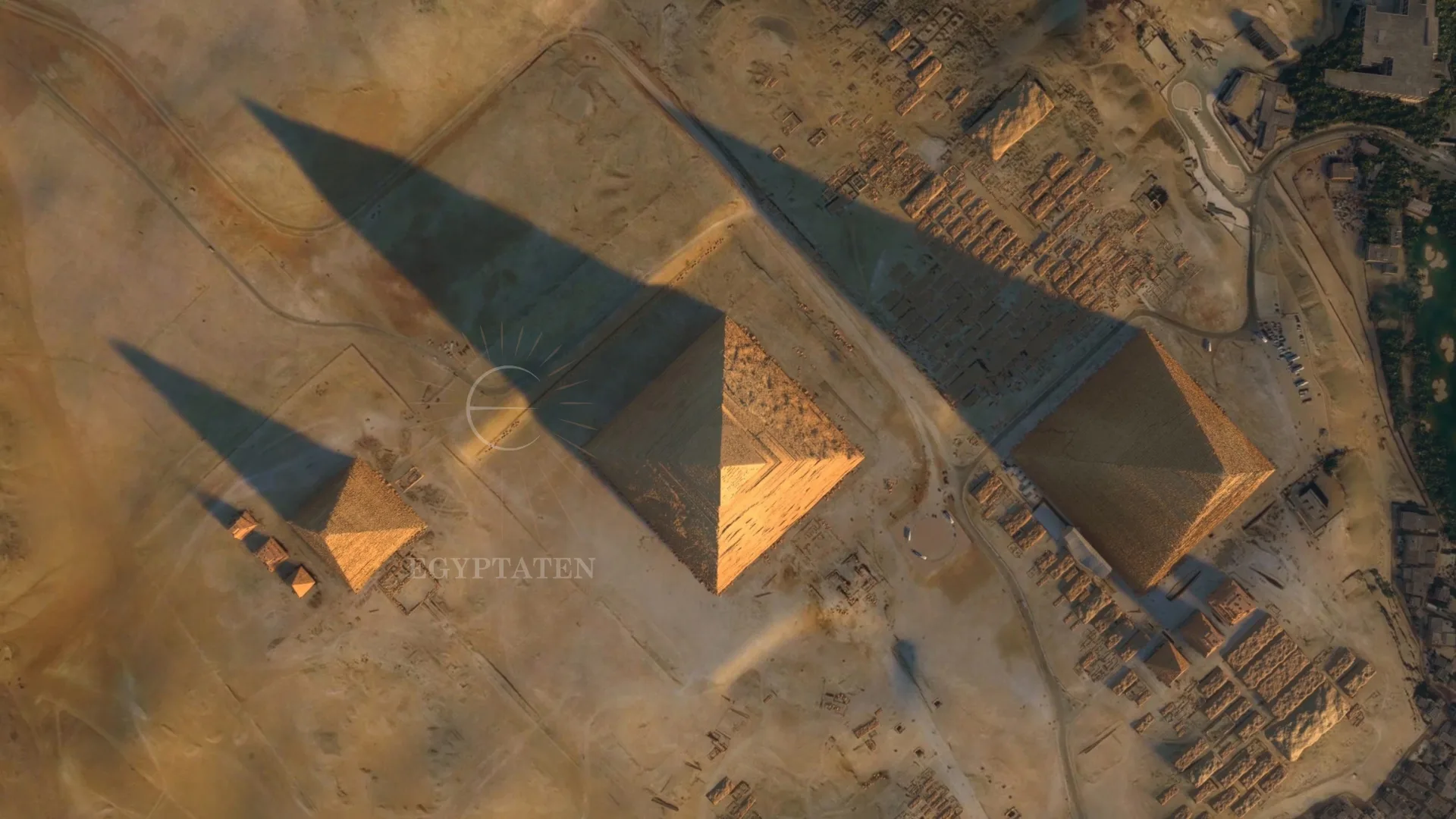
On the eastern flank of the Great Pyramid complex stood Pharaoh Khufu’s upper Mortuary Temple, an impressive sanctuary measuring 52.2 meters (171 feet) north to south by 40 meters (130 feet) east to west. Anchored by a grand rectangular courtyard paved in striking black basalt stone, this temple served as the primary ritual conduit leading toward the pharaoh’s royal burial chamber. Though centuries of environmental wear and stone quarrying have left the main temple largely in ruins, the three satellite pyramids on the eastern perimeter remain in far better condition. These smaller pyramid structures were intentionally commissioned to preserve the divine memory and eternal legacies of Khufu’s mother, Queen Hetepheres I, and his royal wives, Meritites I and Henutsen.
Along the southern side of the Great Pyramid lie two massive, rectangular stone-lined pits engineered to hold completely disassembled ceremonial vessels for the pharaoh's journey into the afterlife. One of these vessels was famously excavated and painstakingly reassembled from 1,224 individual pieces of timber stitched together using specialized rope techniques. Known worldwide as the Solar Boat of Khufu, this monumental cedar-wood vessel measures 43.3 meters (142 feet) in length and symbolizes the king's celestial voyage with the sun god Ra across the heavens. Originally housed in a dedicated museum at Giza, this magnificent piece of ancient naval engineering is now magnificently displayed at the Grand Egyptian Museum.
How the Great Pyramid Was Built
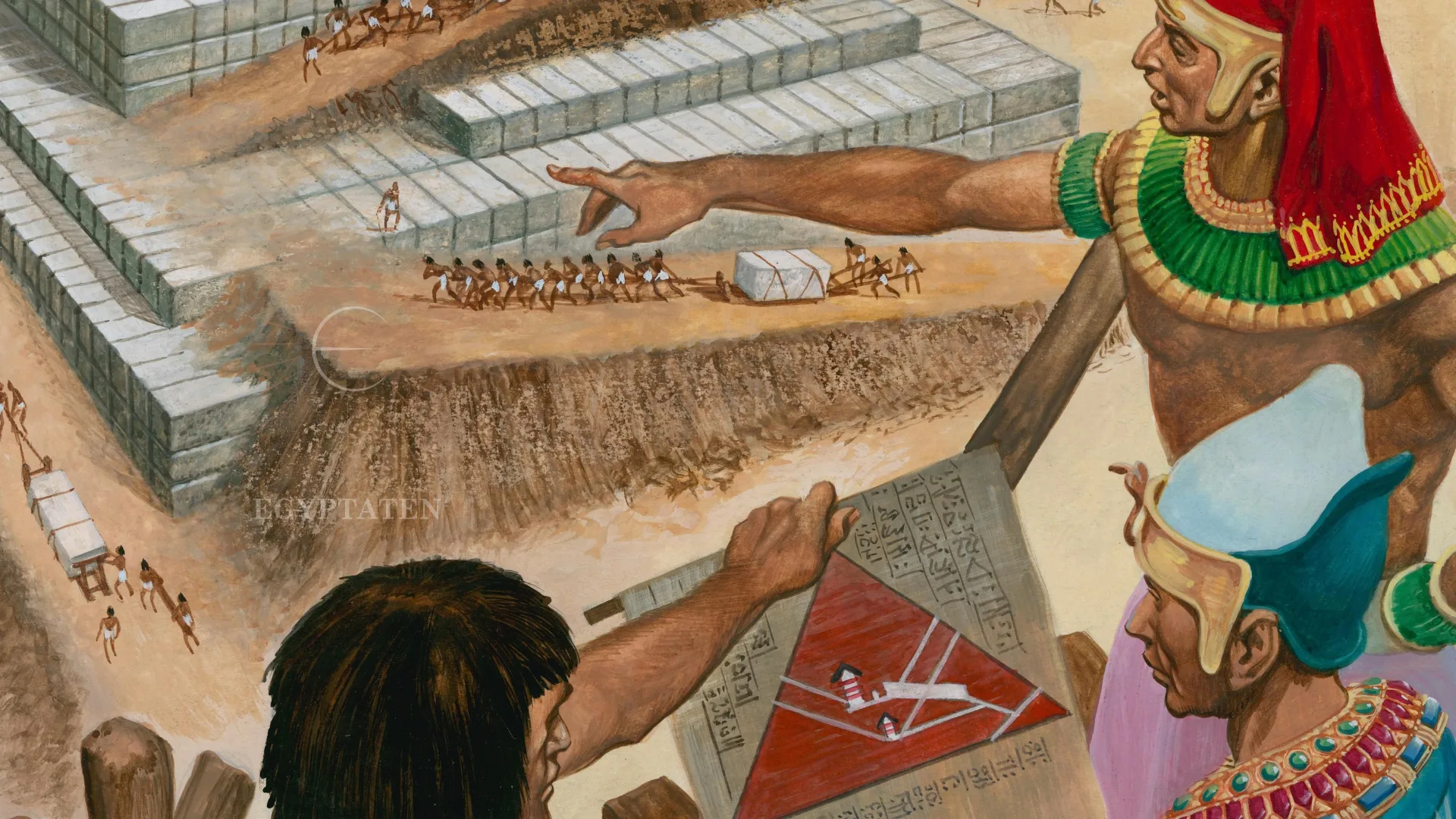
Erected during the Fourth Dynasty of the Old Kingdom around 2580–2560 BCE for Pharaoh Khufu, the construction of the Great Pyramid stands as one of the most remarkable achievements in human engineering history. The process began with an extraordinary site survey where ancient engineers leveled the foundation by intentionally flooding the area with water, marking high points, and chiseling the ground down to create an exceptionally flat surface. To build the monument, an organized workforce of up to 400,000 skilled workers operating in coordinated teams meticulously shaped and aligned each layer using precise tools such as plumb bobs, levels, and sighting rods. Heavy stone blocks were sourced locally as well as from quarries in Luxor and Aswan nearly 800 kilometers away, transported down the Nile River on heavy boats, and guided across the plateau using dedicated water passways.
Moving the estimated 2.3 million stone blocks—which weighed between 2.5 to 15 tons each—required ingenious mechanical methods, including wooden sledges pulled over lubricated tracks and elevated using straight, zigzagging, or spiral ramps. Through these advanced methods, builders raised the structure layer by layer to its final height of approximately 146.6 meters (481 feet). Upon completion, the Great Pyramid was encased in polished white Tura limestone, which brilliantly reflected the sun's rays and made the monument visible from miles away as a dazzling symbol of royal authority and divine connection. Although centuries of speculation have generated various fringe theories attributing the site to aliens, Atlantis, giants, or magical powers, archaeological evidence confirms that the monument remains a pure masterwork of ancient Egyptian planning, labor, and architectural genius.
Mysterious Facts About the Pyramid Of Khufu
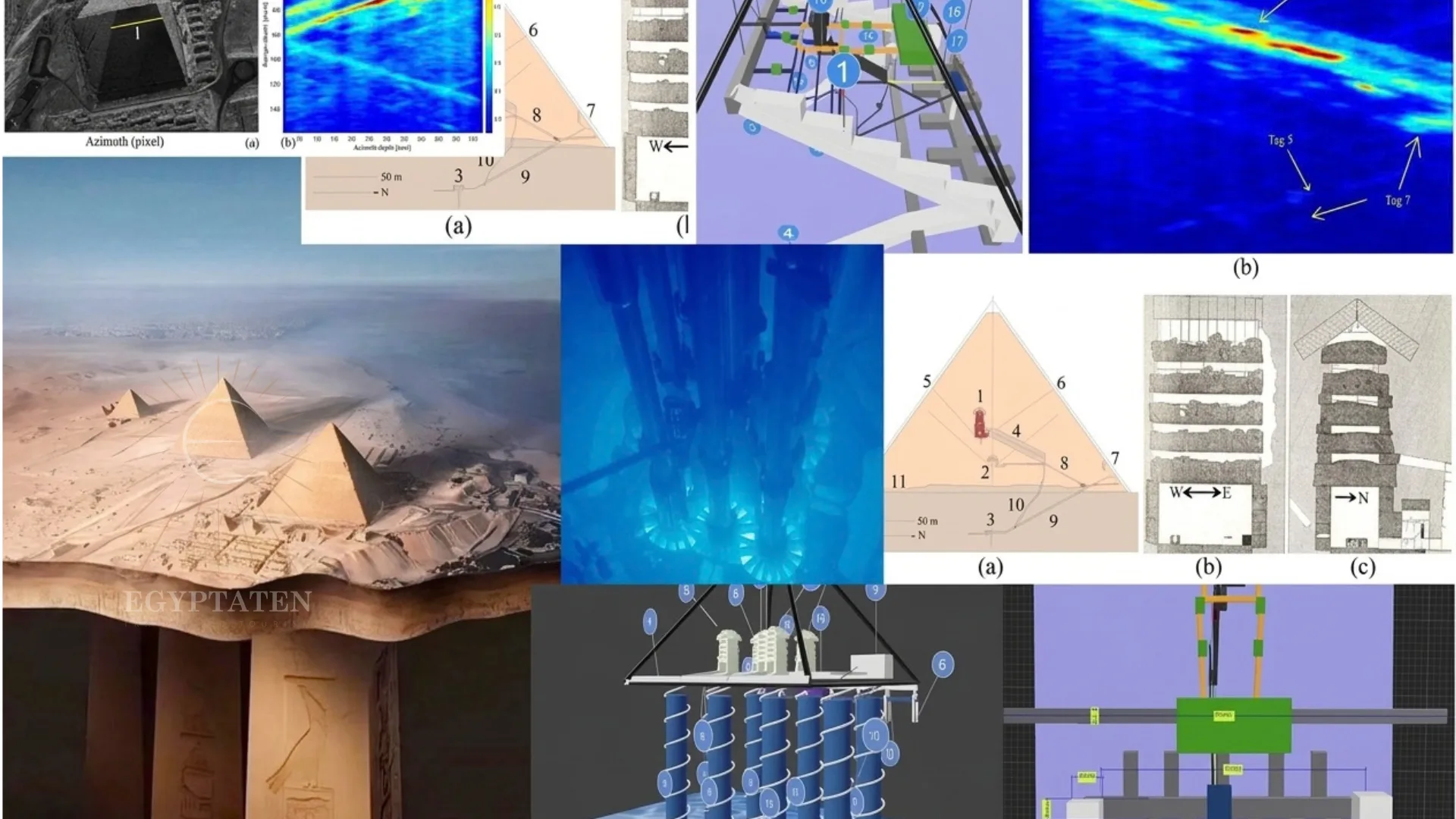
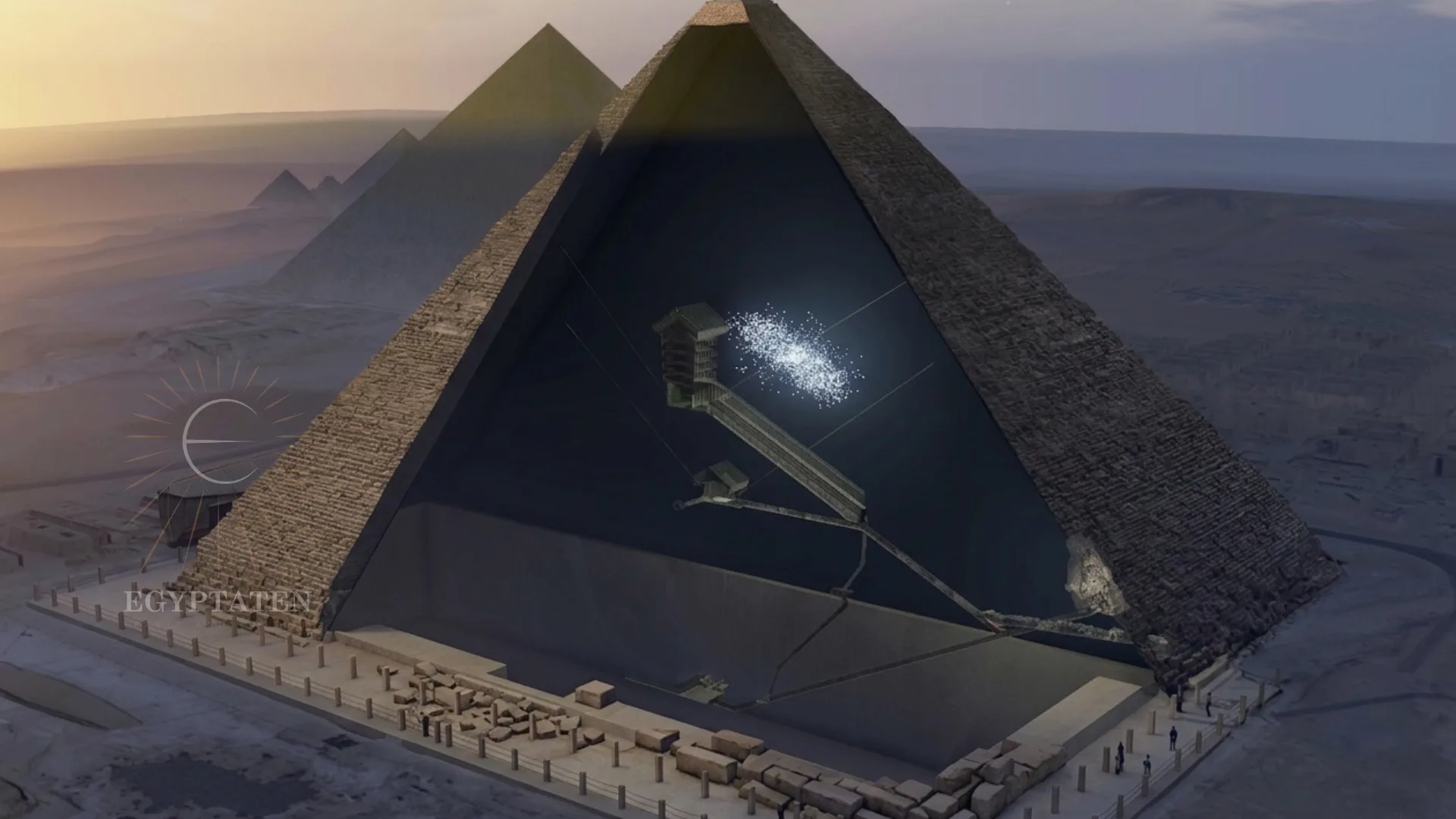
Despite centuries of intensive scientific study, the Great Pyramid of Giza continues to harbor profound architectural and historical enigmas that challenge our understanding of antiquity. From the 2017 discovery of a 30-meter (98-foot) "Big Void" above the Grand Gallery via muon radiography to controversial sky-mapping hypotheses like the Orion Correlation Theory—which aligns the Giza monuments with Orion's belt, the constellation Leo, and the Milky Way—scholars and theorists constantly debate the true age, symbolic orientation, and ultimate purpose of these ancient structures. While mainstream archaeology maintains that the pyramids functioned primarily as royal tombs, ongoing technological investigations continue to reveal undisclosed subterranean features that fuel both scientific inquiry and alternative theories regarding energy-harnessing capabilities or pre-flood origin stories.
-
•
The 2017 Muon Discovery: A team of Japanese researchers utilizing non-invasive muon radiography detected a mysterious 30-meter-long (98 ft) cavity directly above the Grand Gallery, the purpose of which remains entirely unknown.
-
•
Astronomical & Alternative Theories: The Orion Correlation Theory proposes that the layout of the pyramids reflects celestial formations, prompting debates over whether the monuments are significantly older than traditionally dated or linked to legendary lost civilizations like Atlantis.
-
•
•2025 Deep SAR Tomography Study: Researchers from the University of Pisa and the University of Strathclyde combined Synthetic Aperture Radar (SAR) tomography, satellite mapping, and seismic data to scan deep beneath the Giza plateau.
- •
Vast Subsurface Network: The SAR imaging claims to reveal an expansive subterranean complex reaching over 2 kilometers deep beneath the combined pyramid sites of Khufu, Khafre, and Menkaure.- •
Detected Subterranean Structures: Scans identified eight vertical cylindrical shafts plunging over 648 meters deep, surrounded by spiral pathways, two immense 80-meter cubic chambers, and five multi-level structures connected by geometric passages.- •
Challenging Traditional Archeology: Although subterranean claims remain outside mainstream archaeological consensus and spark fringe extraterrestrial or pre-flood hypotheses, they prompt new discussions around alternative functions, such as sacred cave sanctuaries or ancient power generation.Interesting Facts About the Great Pyramid of Giza
Interesting Facts About the Great Pyramid of Giza - Egypt Known in antiquity as "Akhet Khufu"—meaning "Khufu's Horizon"—the Great Pyramid of Giza was constructed during the 26th century BC as the eternal resting place for Pharaoh Khufu of the Fourth Dynasty. Standing as the oldest of the Seven Wonders of the Ancient World and the only one to remain remarkably intact, this architectural marvel held the title of the world's tallest man-made structure for over 3,800 years until the spire of England's Lincoln Cathedral was raised in 1311 AD, a architectural legacy later commemorated by Paris's Eiffel Tower upon its completion in 1889 AD. Conceived and directed by Khufu’s vizier, Heminuu, over a 15-to-20-year construction period, the monument stands today beside the neighboring pyramids of Giza as a living miracle of pure engineering genius, precise mathematical planning, and enduring human capability.
-
•
Historic Identity & Legacy: Named "Akhet Khufu" (Khufu's Horizon), it was commissioned as a royal tomb during the Fourth Dynasty (26th century BC) and remains the oldest and sole surviving wonder of the ancient world.
-
•
Record-Holding Elevation: Originally rising to 146.6 meters (481 feet / 280 cubits) before settling to its modern height of 138.5 meters (454 feet), it reigned as Earth's tallest structure for over 3,800 years until the completion of Lincoln Cathedral in 1311 AD and the Eiffel Tower in 1889 AD.
-
•
Immense Construction Scale: Masterminded by Vizier Heminuu over 15 to 20 years, the pyramid was assembled using 2.3 million limestone blocks averaging 2.5 tons each, combining with mortar and granite for a total mass of roughly 5.9 million tons.
-
•
Proportions & Structural Volume: Constructed upon a square base measuring 230.3 meters (756 feet) on each side, enclosing an immense total volume of 2.6 million cubic meters (92 million cubic feet).
-
•
Astronomical & Geometric Precision: Features four distinct faces rising at an exact slope angle of 51°50'40", aligned precisely with the cardinal points of the compass.
-
•
Internal Structural Layout: Contains three major interior chambers—the Subterranean, Queen's, and King's Chambers—alongside the massive, newly identified Grand Void.
- •
Private by design