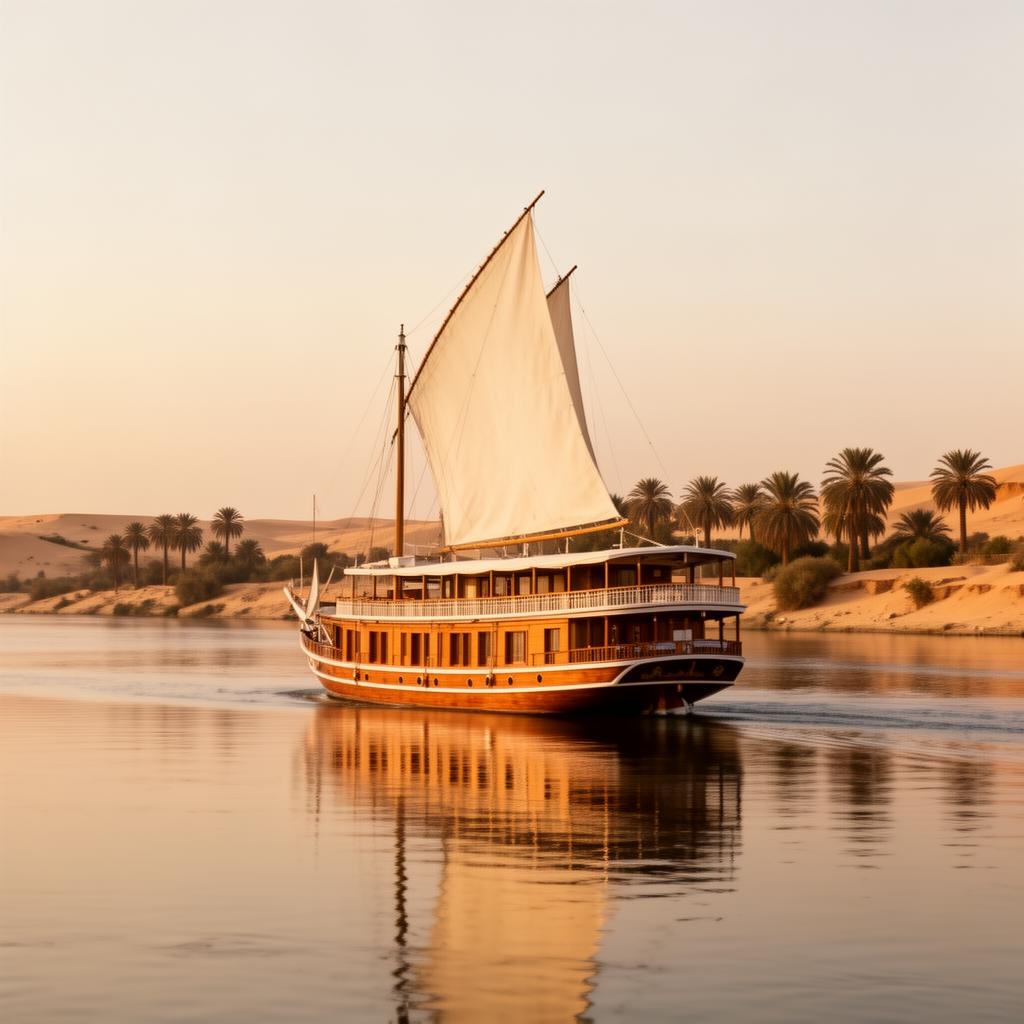
Beginnen Sie Ihren Morgen in Aswan mit einem Treffen Ihres Egyptologen-Guides, um die bedeutendsten historischen und ingenieurtechnischen Wahrzeichen der Stadt zu erkunden, beginnend mit:
 Aswan High Dam
Constructed between 1960 and 1970, the Aswan High Dam is a 20th-century engineering landmark spanning 3,830 meters across the Nile River. Built to regulate seasonal flooding, generate hydroelectric power, and secure Egypt's agricultural water supply, the dam created Lake Nasser—one of the largest man-made reservoirs in the world—and fundamentally transformed the nation's modern economic landscape.
 The Unfinished Obelisk
Carved directly out of the red granite bedrock during the 18th Dynasty under Queen Hatshepsut (c. 1508–1458 BC), the Unfinished Obelisk is the largest known monolith of antiquity. Intended as a pair to the Lateran Obelisk (originally at Karnak and later relocated to Rome), the 42-meter monument was abandoned after structural cracks appeared during extraction. Remaining in situ at Aswan’s ancient northern quarries, it provides rare archaeological evidence of Pharaonic quarrying, chiseling, and stone-working techniques.
 Mittagspause
Enjoy your lunch at a local restaurant in Aswan, then visit:
 Philae Temple
Dedicated to Isis, the ancient Egyptian goddess of motherhood, magic, and healing, Philae Temple stands as one of Upper Egypt's best-preserved Ptolemaic and Roman complexes. Originally situated on Philae Island, the temple was threatened by chronic flooding following the construction of the Aswan Low and High Dams. Between 1972 and 1980, an international UNESCO rescue campaign dismantled the entire sanctuary block-by-block and relocated it to higher ground on nearby Agilkia Island, carefully preserving its ancient orientation and landscape.
Abschließend bringen wir Sie zurück zu Ihrem Hotel bzw. Ihrer Nilkreuzfahrt, um Ihre Besichtigungstour durch Aswan zu beenden.